Indoor Gardening
Simple ways to grow herbs, greens and houseplants indoors, with advice on light, watering, containers and pests.
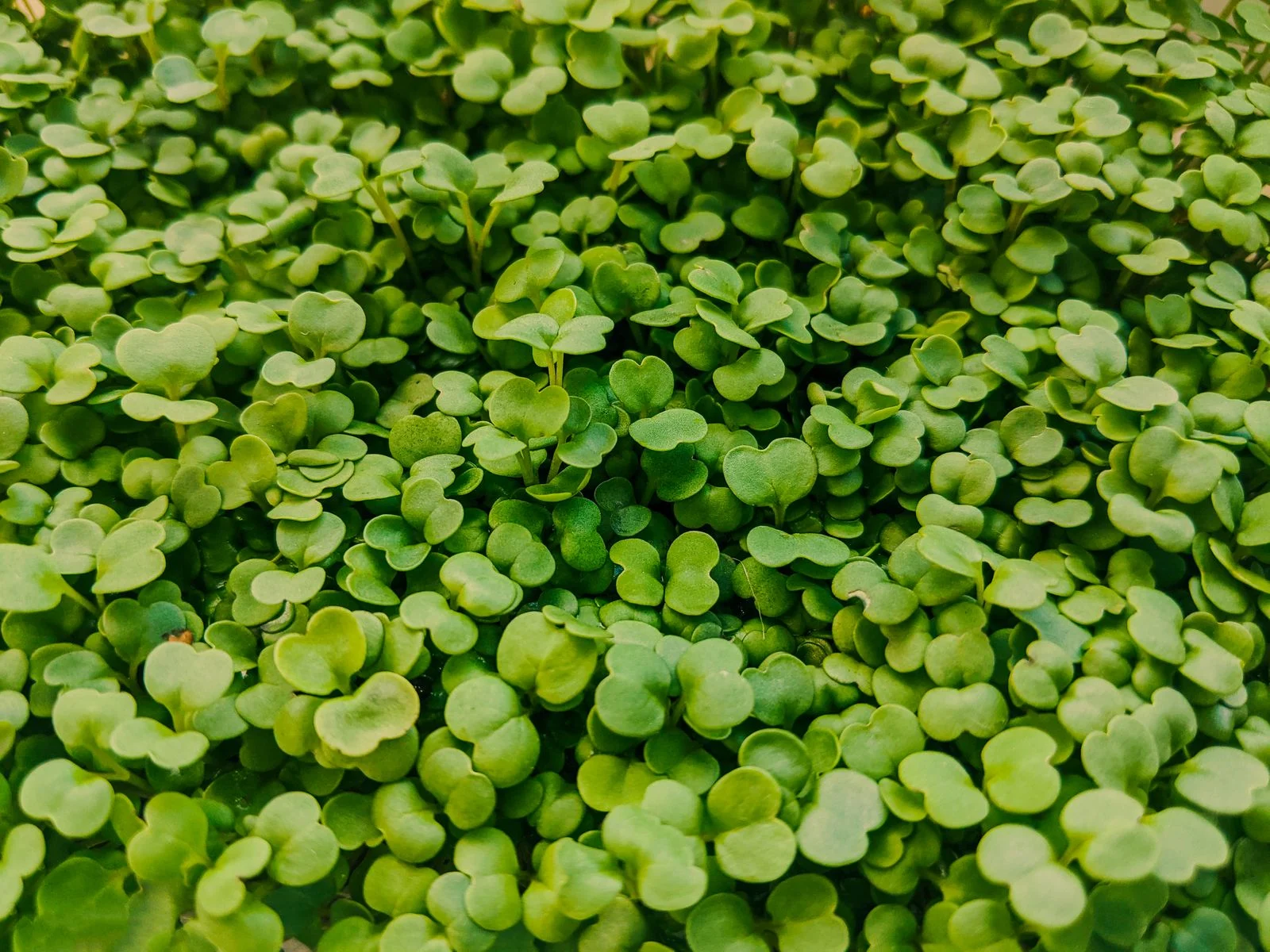
How to Grow Microgreens at Home: Step-by-Step Guide
Grow microgreens at home in 1 to 3 weeks. Learn which seeds to use, what you need and how to avoid mold.
Read guide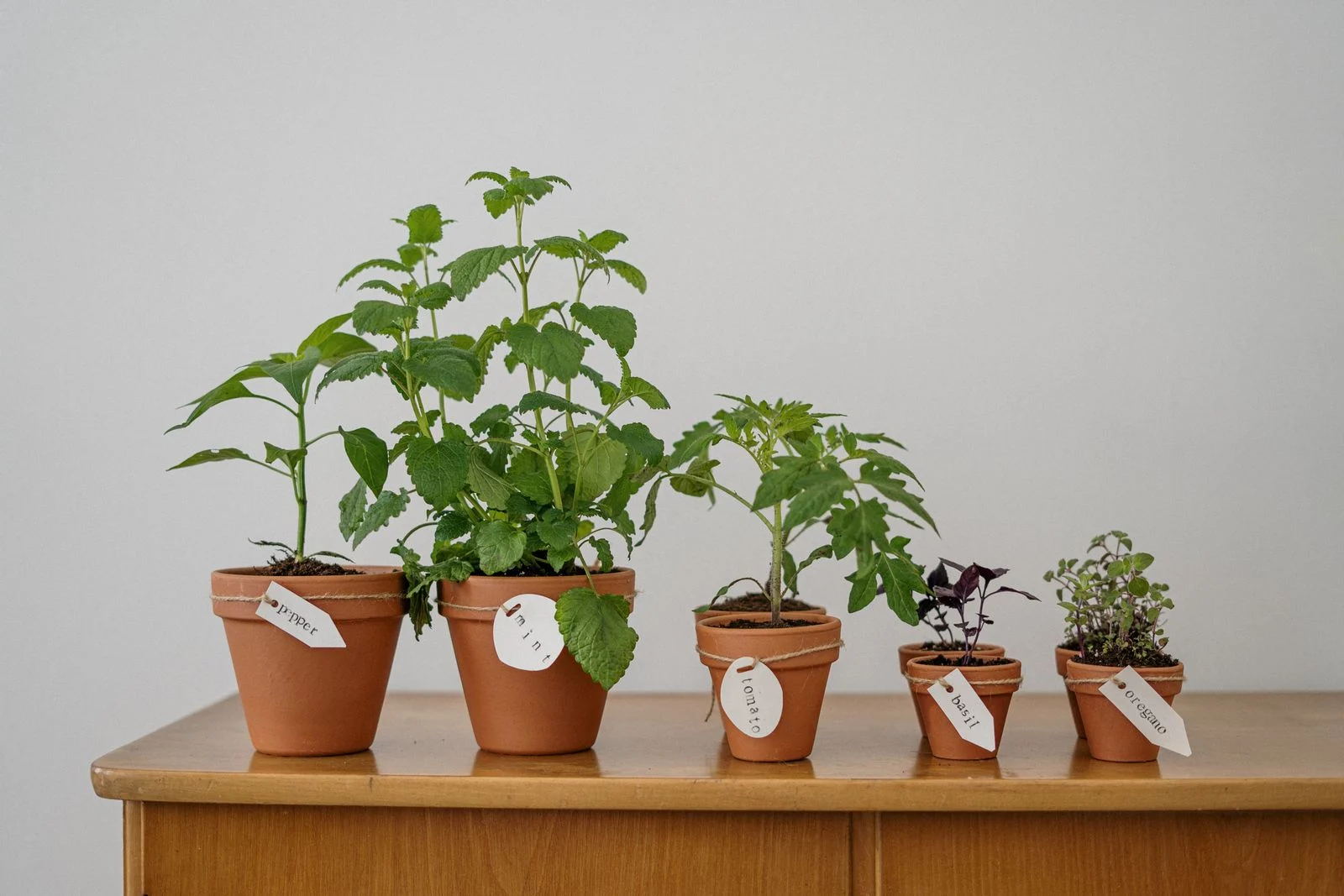
How to Grow an Indoor Herb Garden: Best Herbs, Light and Care
Start an indoor herb garden with the best easy herbs, the right light, pots and watering routine, plus how to harvest for steady growth.
Read guide
Frequently Asked Questions
What vegetables and herbs can you grow indoors without a garden?
Herbs, salad greens, microgreens, spider plants and small peppers suit indoor spaces. Pick plants that match your light level, since most edible crops need a bright window or a grow light to stay healthy. Start small and add more as you learn.
Do indoor plants need a grow light to grow?
Often yes. Few windows deliver enough light for edible crops, especially in winter. A full spectrum LED on a timer fills the gap and keeps plants compact, so it is the most useful first upgrade. Hours of light matter as much as brightness.
How do you get rid of pests on indoor plants naturally?
Inspect new plants before bringing them home, avoid overwatering and keep leaves clean. Sticky traps catch fungus gnats and aphids early. Isolate any infested plant so pests do not spread to the others. Early action prevents most infestations from spreading.
What is the best pot or container for indoor plants?
Any pot with drainage holes and a saucer works. Terracotta dries faster, plastic holds moisture longer. Match pot size to the plant, because oversized pots keep soil wet for too long and invite root problems. Cleaning the saucer regularly also helps.