Composting
Clear, beginner friendly composting guides: what to add, how to balance your pile, and how to fix problems fast.
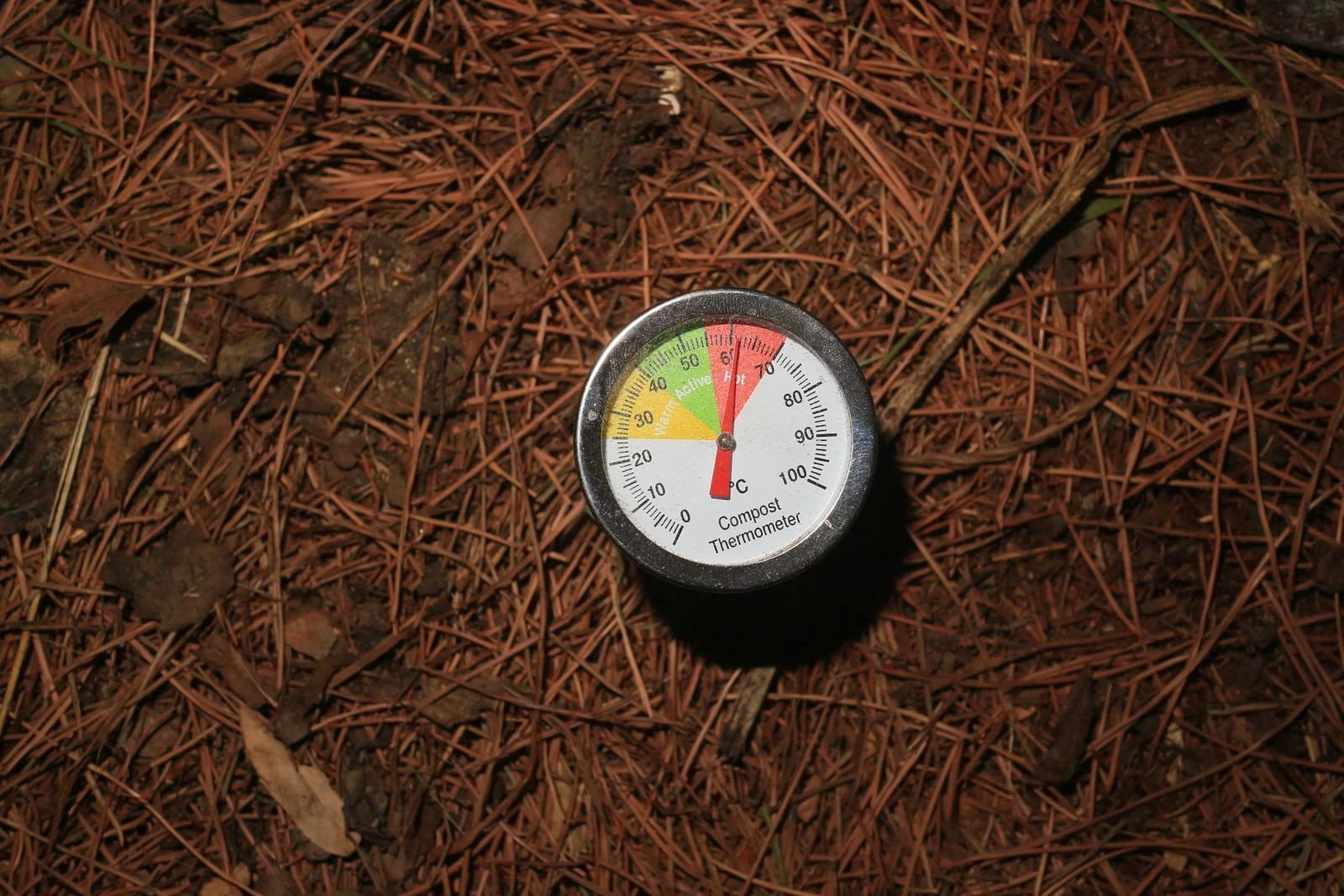
Why Your Compost Smells Bad (and How to Fix It)
A healthy compost pile smells earthy. If yours smells like ammonia or rotten eggs, here are the causes and fixes.
Read guide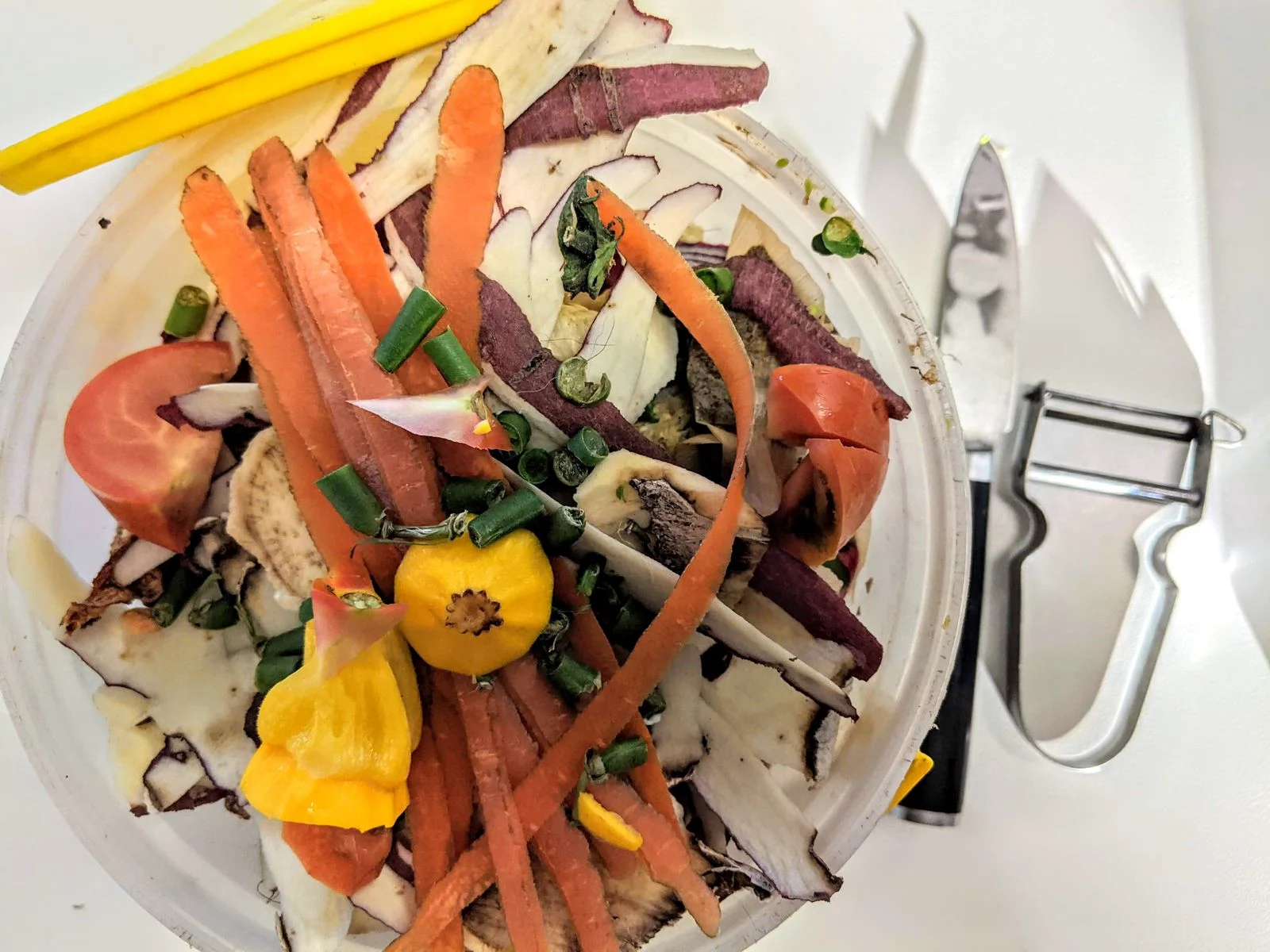
What Can You Compost? A Simple Yes and No List
A clear list of what you can and cannot compost, including kitchen scraps, yard waste, paper and common gray-area items.
Read guide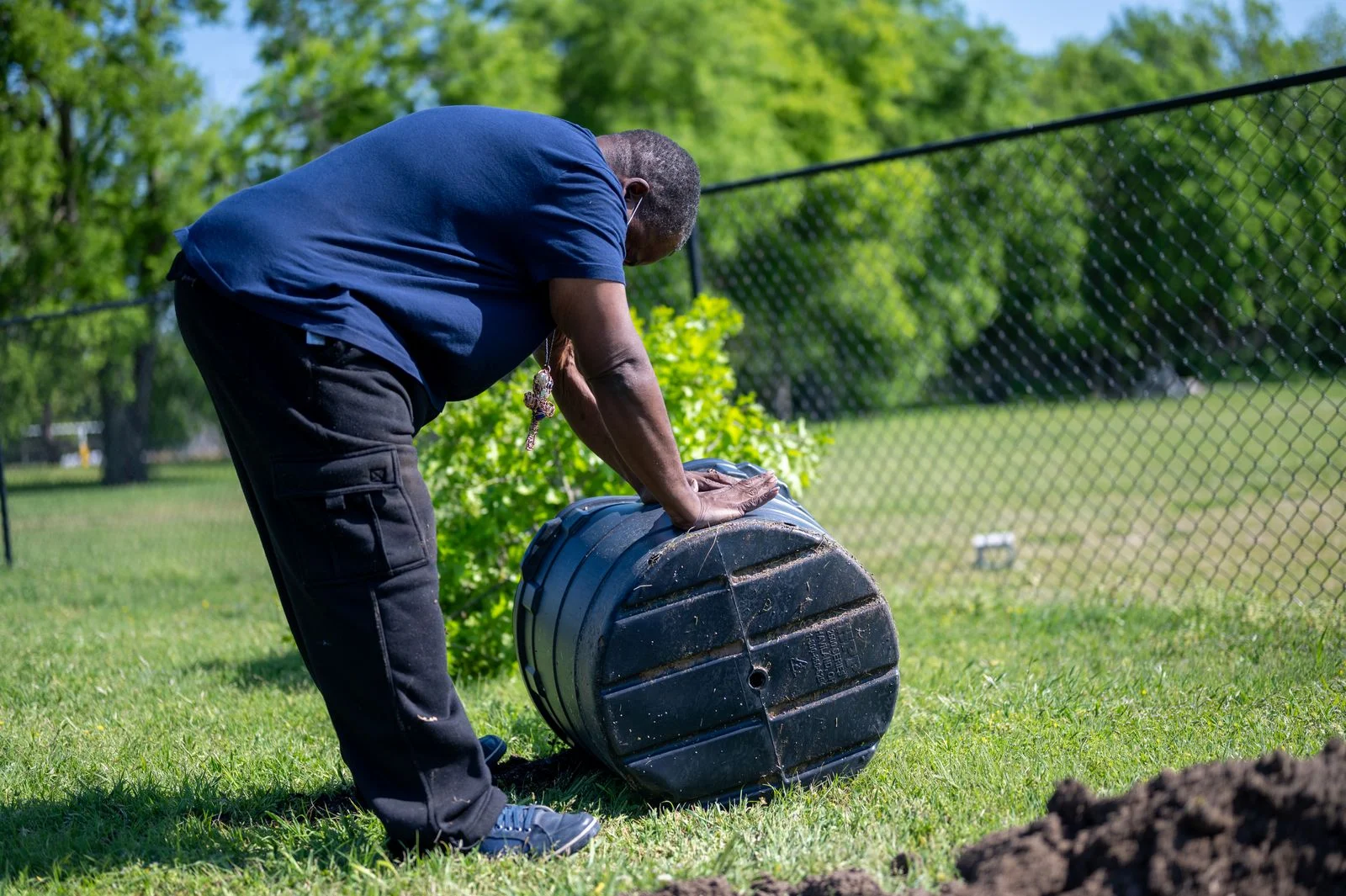
How to Start Composting at Home: A Complete Beginner’s Guide
Everything you need to start composting at home: choosing a method and bin, what to add, the right mix of greens and browns, and…
Read guide
Frequently Asked Questions
Does home composting really reduce food waste?
Yes. Food scraps and yard waste are a big part of household rubbish, and composting keeps them out of the bin. The result is a soil conditioner that feeds your plants instead of ending up in landfill. It also builds healthier garden soil over time.
Do you need worms to make compost?
No. Piles and bins compost through bacteria and fungi alone. Worms are only needed for vermicomposting, which is a separate method that suits indoor use and produces nutrient rich castings from everyday kitchen scraps. Starting a pile is much simpler than it sounds.
Is compost the same as potting soil or topsoil?
No. Compost is a soil amendment, not a complete growing medium. Mix it into garden beds or blend a small share into potting mix, because pots filled with pure compost can hold too much moisture. Use it as a mulch or top dressing.
Where is the best place to put a compost bin?
Choose a level, drained spot with partial shade and easy access from the kitchen. Good airflow helps, and a lid keeps rain and pests out. Indoor sealed bins should sit where you will empty them often. Convenience decides whether you keep using it.