Hydroponics
Practical, tested guides to growing food without soil: systems, nutrients, pH and the best crops to start with.
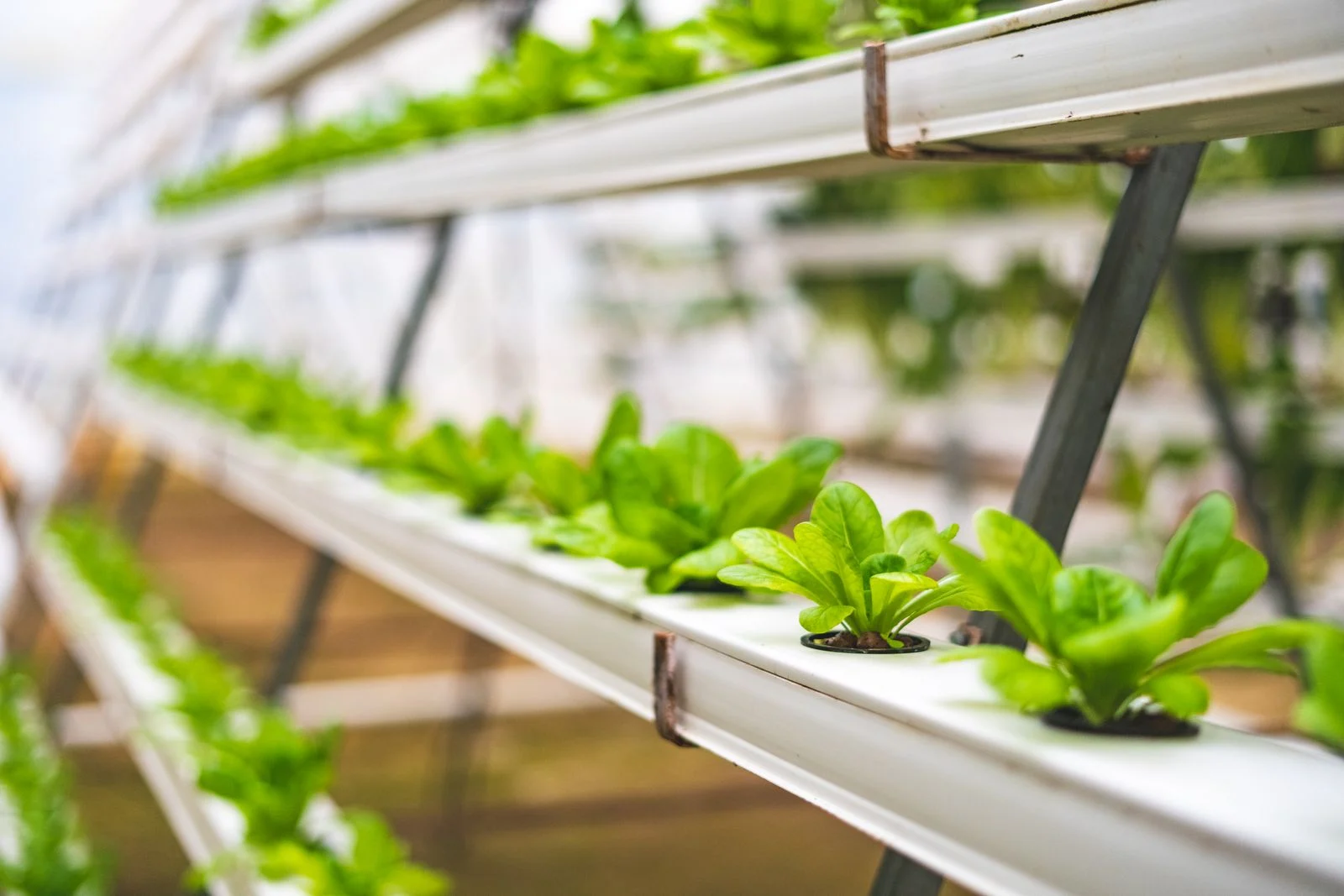
Hydroponic Nutrients Explained: What Plants Need and How to Mix Them
A clear guide to hydroponic nutrients: the essential elements, types of fertilizer, how to mix a solution and how to manage pH and EC.
Read guide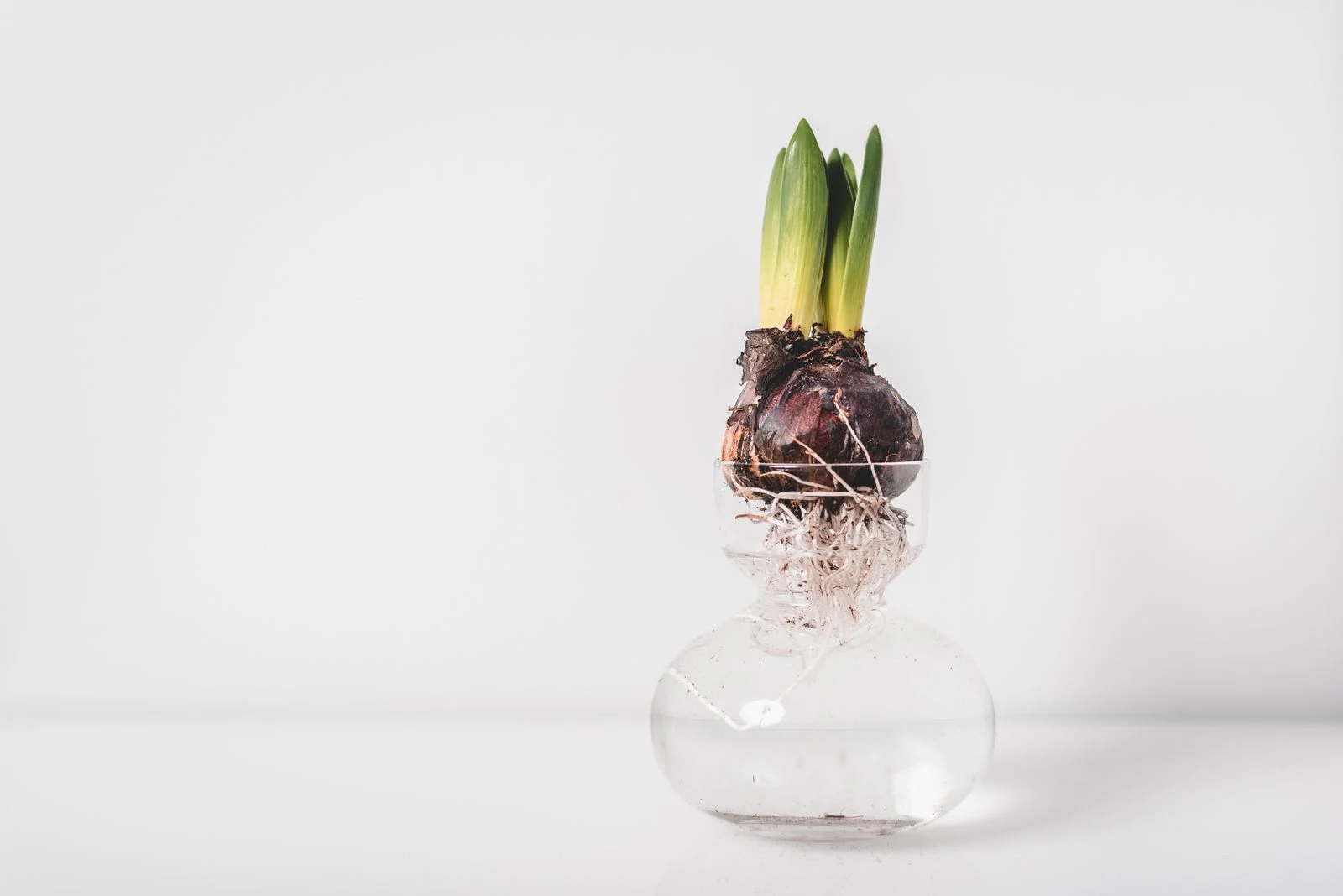
Kratky Method: How to Grow Hydroponically Without a Pump
The Kratky method is a passive hydroponic technique with no pump or electricity. Learn how it works, what to grow and how to set…
Read guide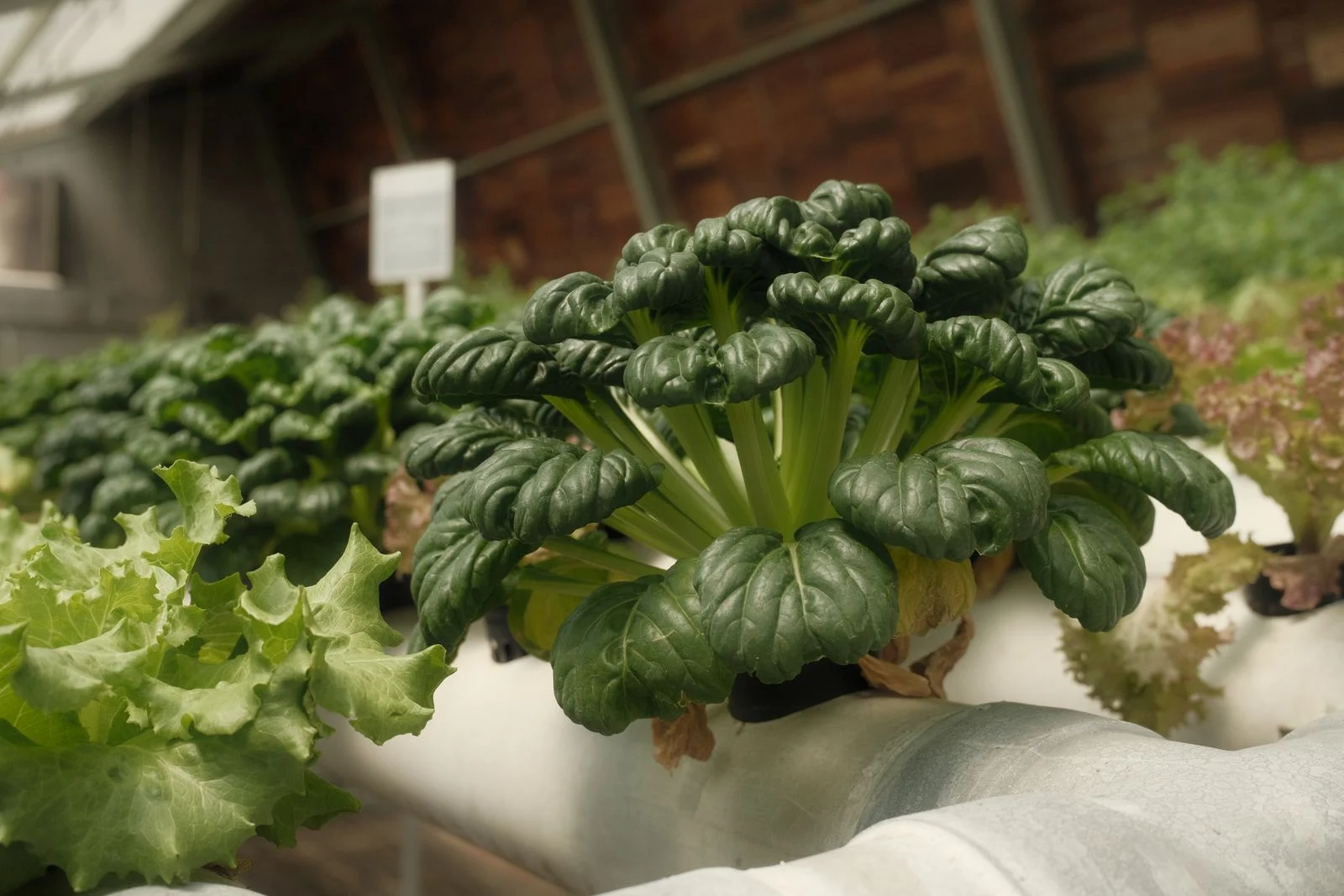
Best Vegetables and Herbs to Grow Hydroponically
The easiest and most rewarding plants to grow hydroponically, plus which crops to avoid until you have more experience.
Read guide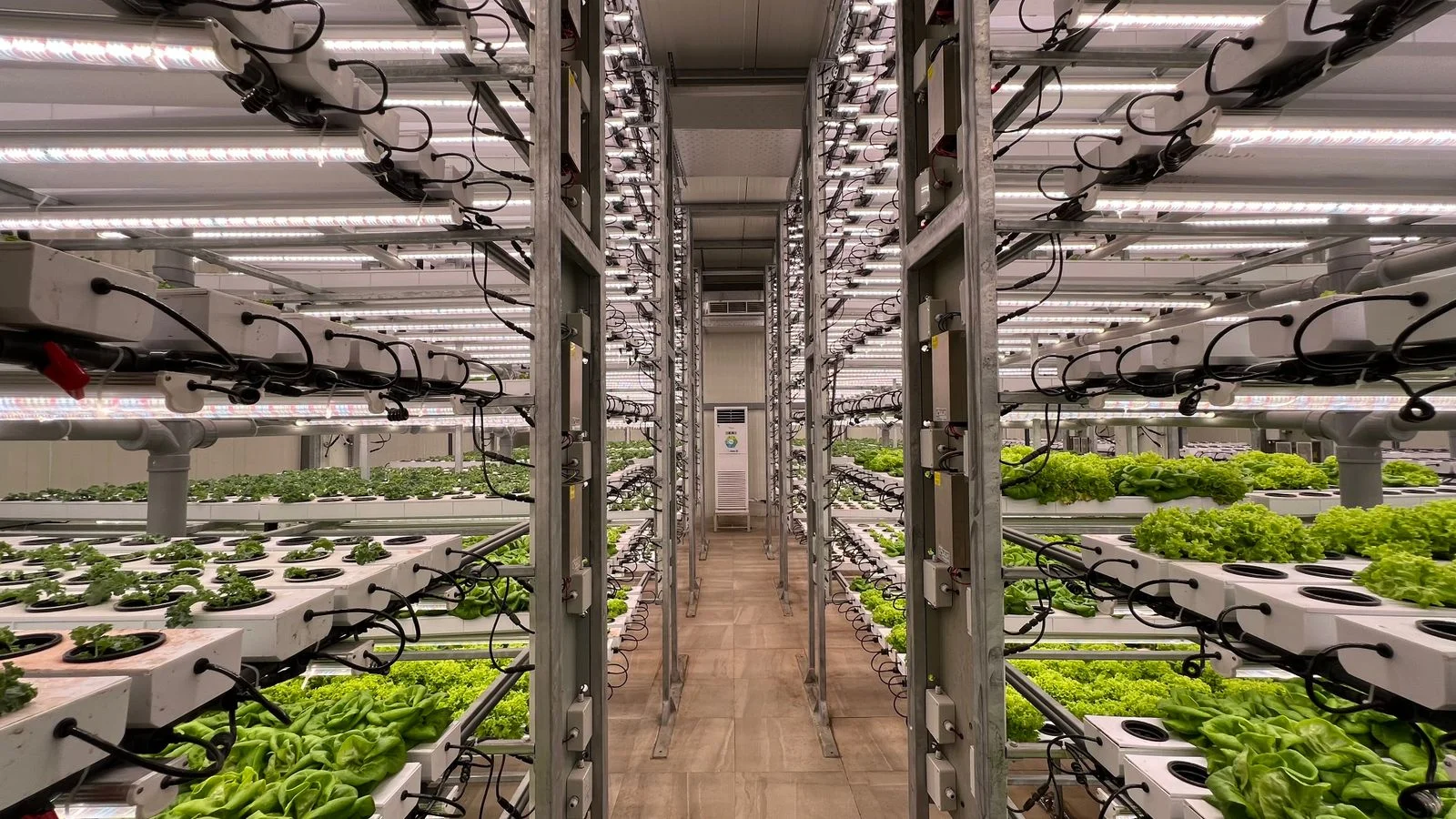
How to Set Up a Hydroponic Garden at Home: A Beginner’s Guide
Learn how a hydroponic garden works, which system to choose, what you need to buy and how to get your first crop growing without…
Read guide
Frequently Asked Questions
What is hydroponics and how does it work?
Hydroponics is growing plants without soil by feeding roots a water based nutrient solution. Roots sit in water or an inert medium, and you control nutrients, pH and light directly, which often gives faster growth in less space. It suits small indoor spaces well.
Is hydroponic food safe and healthy to eat?
Yes, when the system stays clean and uses food safe parts. Hydroponic vegetables are not inherently different from soil grown ones. Wash produce, sanitise reservoirs between crops and use clean water to keep every harvest safe. Cleanliness matters more than the system type.
What type of hydroponic system should a beginner choose?
Choose by budget and space. Kratky suits a single jar on a windowsill, deep water culture suits small shelves, and countertop kits suit people who want lights and timers included. Start simple before building larger systems. Pick the option you will actually maintain.
Is hydroponic gardening cheaper than growing in soil?
Not at first. Lights, pumps and nutrients add upfront costs, while soil needs little equipment. Hydroponics can save water and give quicker harvests, so it pays back mainly for frequent growers of leafy crops. Running costs stay modest once it is set up.