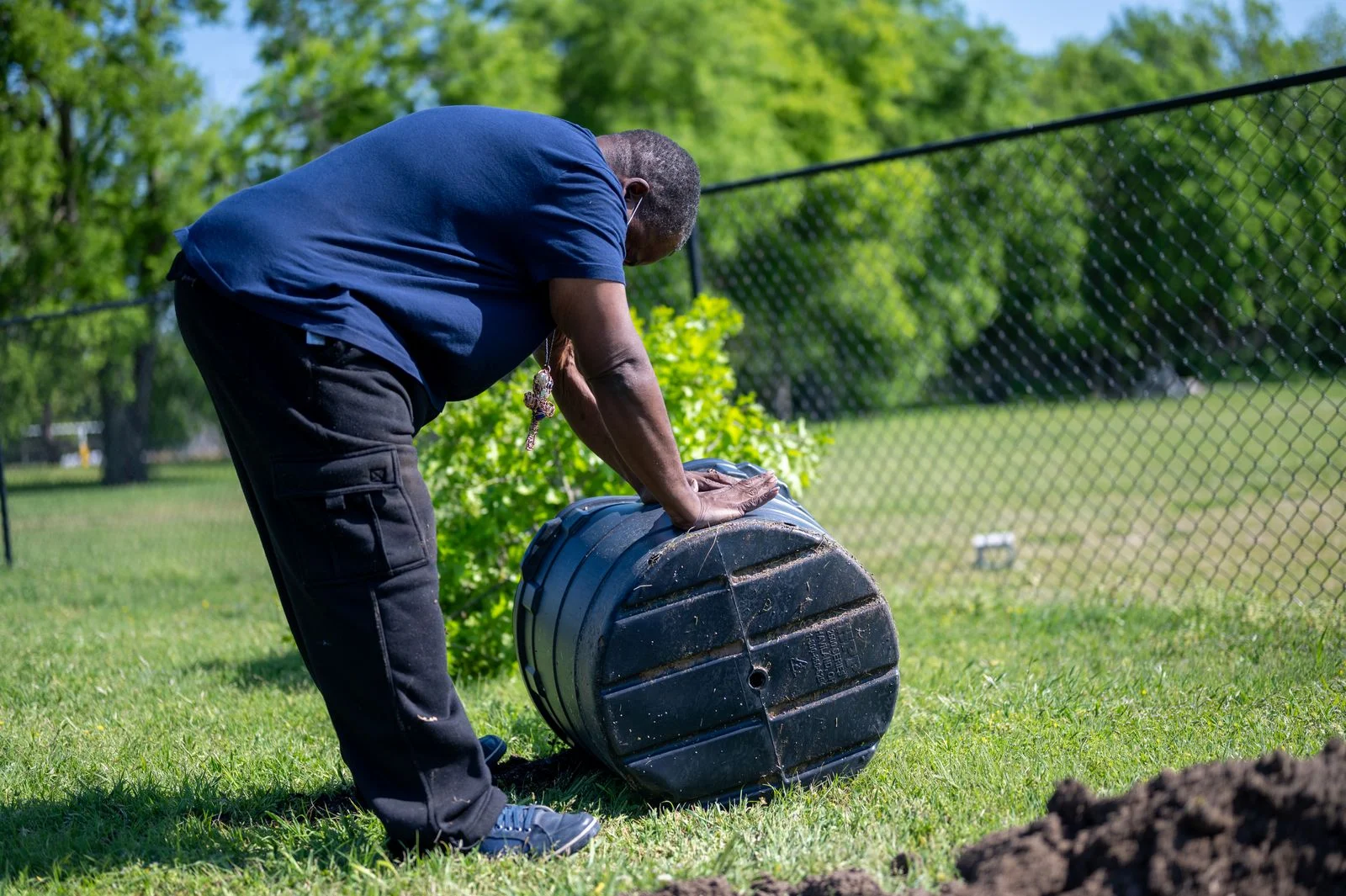
Composting turns kitchen scraps and yard waste into a dark, crumbly soil improver. It reduces what you send to landfill, feeds your plants and costs very little to start. This guide covers the basics so you can begin with confidence.
What Is Composting?
Composting is the controlled breakdown of organic material by bacteria, fungi and other organisms. Given the right mix of materials, moisture and air, those organisms turn waste into humus-rich compost you can mix into garden beds or potting mixes.
Choose Your Composting Method
| Method | Space needed | Speed | Best for |
|---|---|---|---|
| Open pile or bin outdoors | Yard space | Several months to a year | Gardeners with yard waste |
| Tumbler | Small patio or yard | Faster when turned regularly | Tidy, pest-resistant composting |
| Worm bin (vermicomposting) | Under a sink or in a closet | A few months | Apartments and kitchen scraps |
| Bokashi | Kitchen counter | Fermentation in weeks, then bury or finish | Cooked food scraps in small spaces |
What to Put in Your Compost
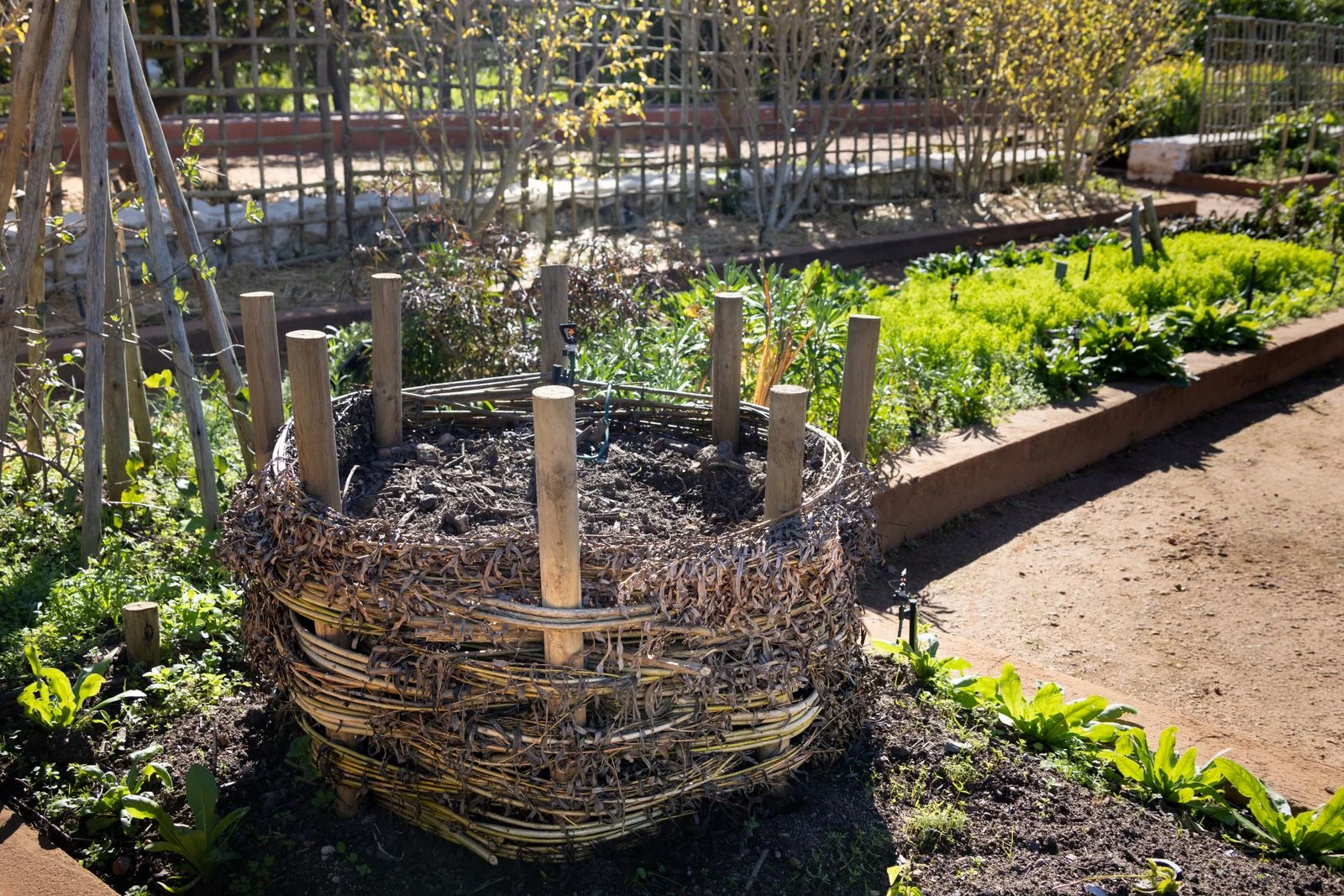
Compost needs a balance of two kinds of material.
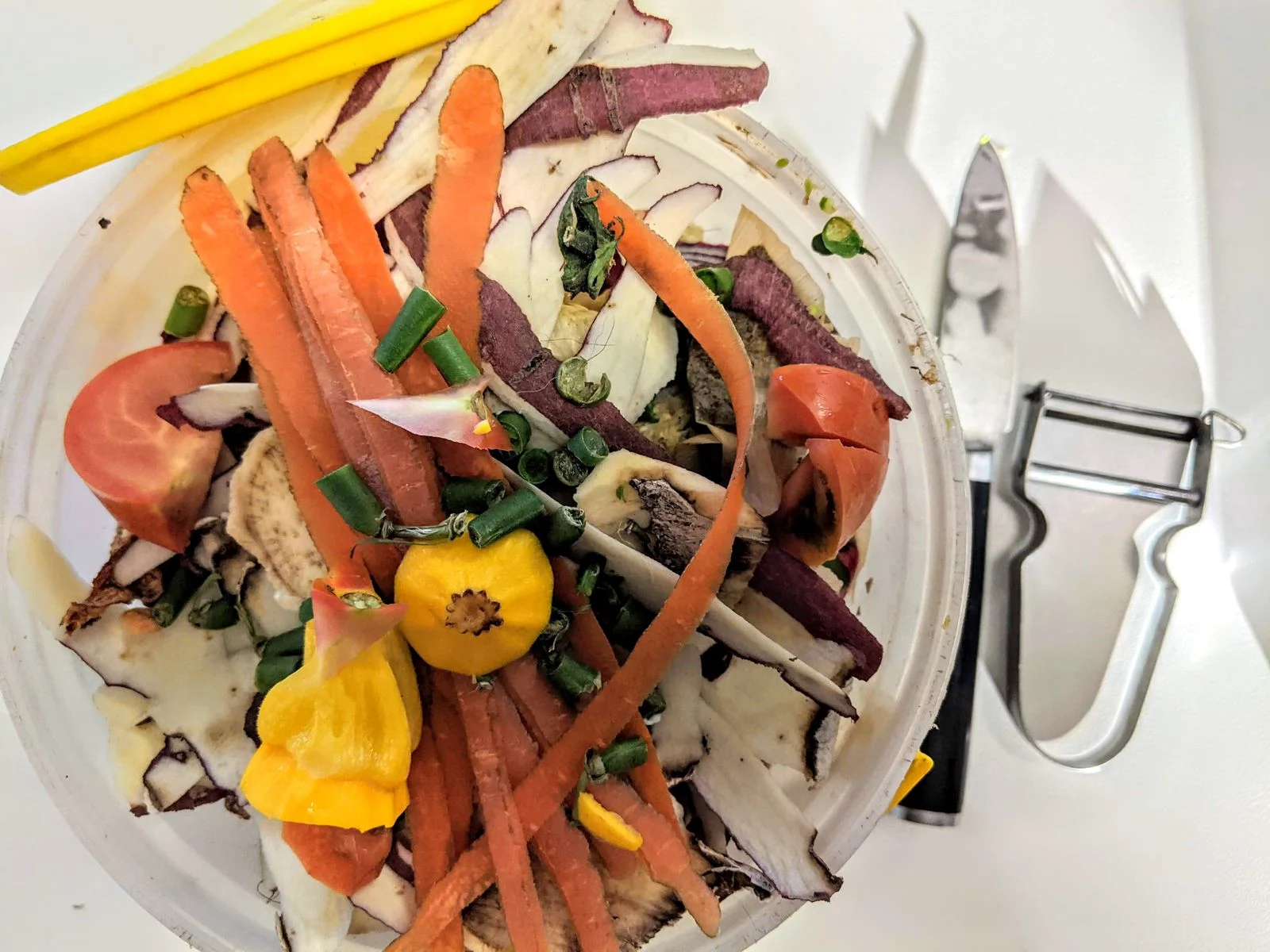
- Greens (nitrogen-rich): fruit and vegetable scraps, coffee grounds, tea leaves, fresh grass clippings, plant trimmings.
- Browns (carbon-rich): dry leaves, shredded cardboard and paper, straw, sawdust from untreated wood, small twigs.
A common rule of thumb is about two to three parts browns to one part greens by volume. If the pile is wet and smelly, add more browns. If it is slow and dry, add more greens and some water.
What to Keep Out
- Meat, fish, bones, dairy and greasy food, which attract pests and smell.
- Dog and cat waste, which can carry pathogens.
- Diseased plants and weeds that have gone to seed.
- Treated or painted wood and glossy printed paper.
How to Start, Step by Step
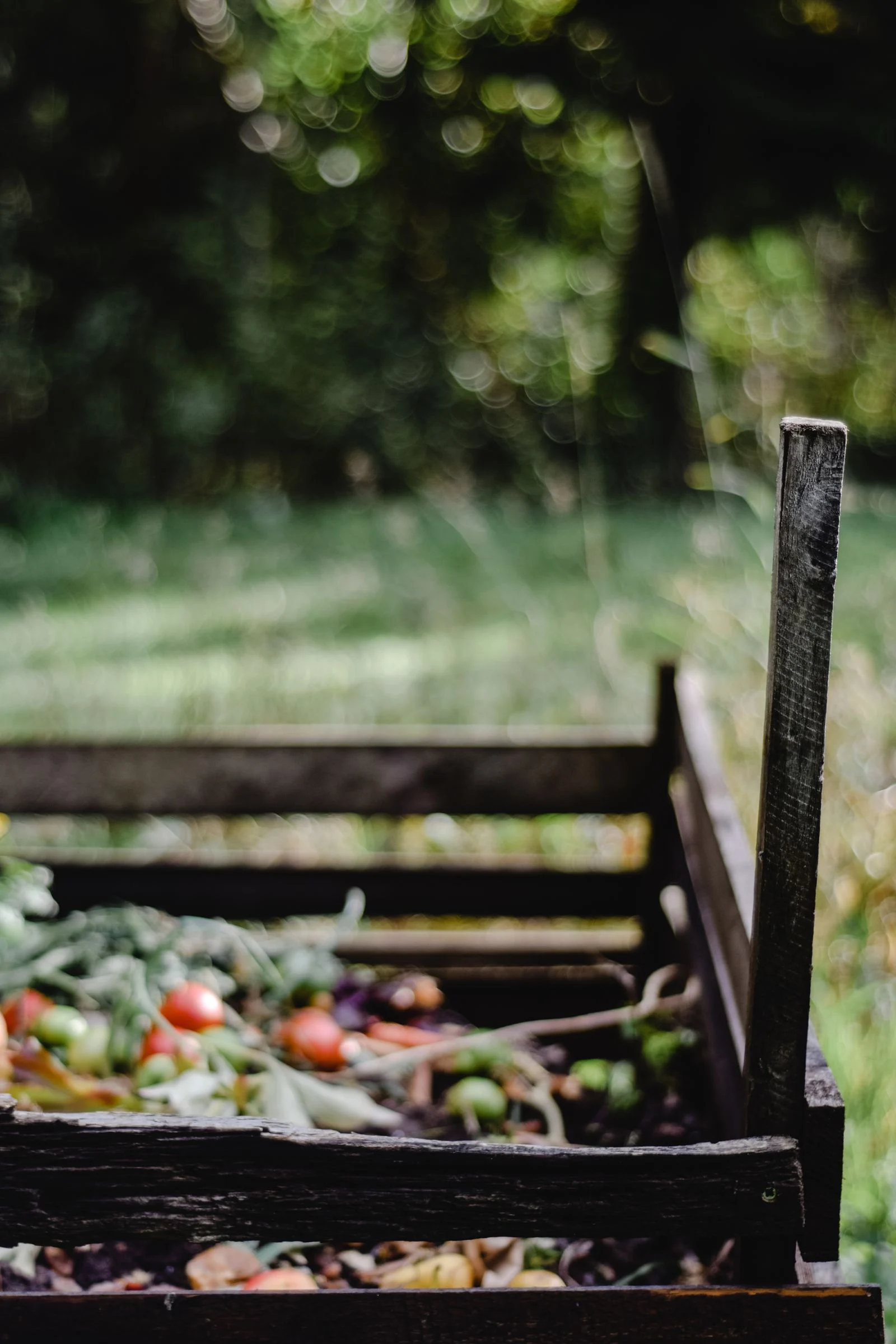
- Choose a spot. A level, well-drained place with partial shade is ideal for an outdoor bin.
- Lay a base. Start with a few inches of coarse material such as twigs to help air flow.
- Layer browns and greens. Alternate layers, keeping chunks small. Chopping or shredding speeds decomposition.
- Add moisture. The pile should feel like a wrung-out sponge: damp but not dripping.
- Turn it. Mix the pile every week or two to add oxygen. More turning means faster compost.
- Wait and check. Finished compost is dark, crumbly and smells earthy. Depending on method and conditions, this can take from a couple of months to a year.
Hot Composting vs Cold Composting
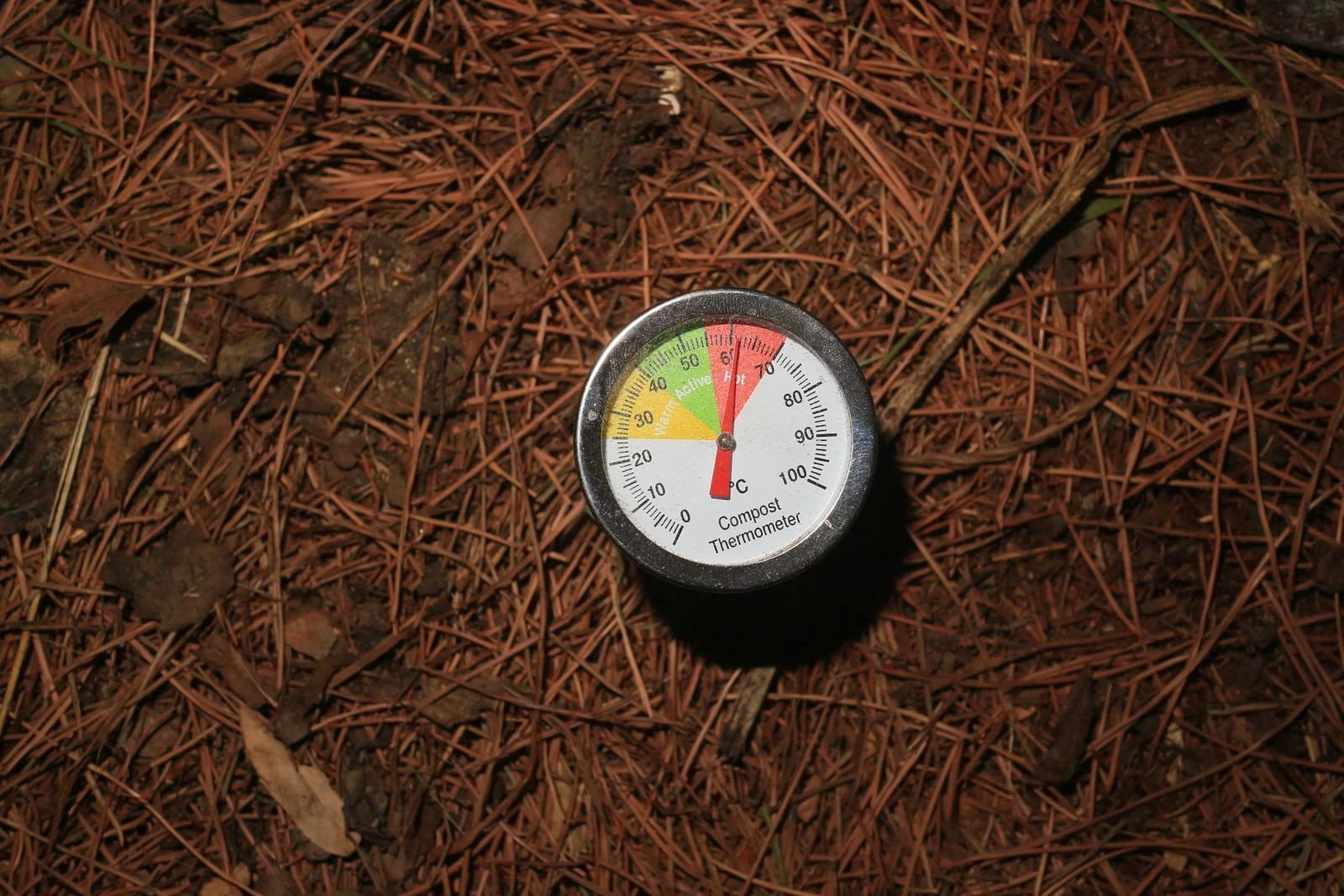
A hot pile that is large enough (commonly cited as at least about 3 feet in each direction), well mixed and regularly turned can reach temperatures of roughly 130 to 150°F (55 to 65°C), which speeds breakdown and helps kill many weed seeds and pathogens. Cold composting just means piling material and waiting. It is easier but slower and may not kill weed seeds.
Troubleshooting Common Problems
| Problem | Likely cause | Fix |
|---|---|---|
| Bad smell | Too wet or too many greens | Add dry browns and turn the pile |
| Pile is not breaking down | Too dry, too few greens or too small | Add water and greens; chop material smaller |
| Flies or pests | Exposed food scraps | Bury scraps in the center; use a closed bin |
| Pile is dry and slow | Not enough moisture | Water lightly and turn |
How to Use Finished Compost
- Mix a few inches into garden beds before planting.
- Top-dress around established plants.
- Blend with other materials to make potting mixes, rather than using pure compost in containers.
Sources
Figures and advice in this guide were checked against these university extension and government publications. Last reviewed November 5, 2026.
- Composting at Home, US Environmental Protection Agency
- What Can Be Composted in a Home Composting Bin, NC State Extension
- Monitoring Compost Odors, Cornell Waste Management Institute
Frequently Asked Questions
How do I start composting at home for beginners?
Pick a bin or a tidy outdoor pile, then layer kitchen scraps with dry material such as leaves or cardboard. Keep it as damp as a wrung out sponge and turn it now and then. Small, steady habits matter more than gear.
What is the correct ratio of greens to browns in compost?
A common guide is about two to three parts browns to one part greens by volume. Browns add carbon and greens add nitrogen. Adjust by smell and texture if the pile turns wet or dry. Turning also keeps the pile aerated.
How long does it take for compost to be ready?
Hot, well managed piles can finish in a few months, while cold or neglected piles often take six months to a year. Ready compost is dark, crumbly and earthy smelling, with no recognisable food scraps. Chopping scraps smaller speeds things up considerably.
Can you compost in an apartment or small flat?
Yes. A sealed bokashi bucket or a small worm bin works indoors with little smell. Both handle kitchen scraps in a tiny space, though the finished material still needs burying or maturing before use. Keep the container lidded to stay tidy.
Related Guides
Featured image: Green compost bin.JPG by Siddharth Patil, CC0, via Wikimedia Commons.