Key Takeaways
- Compost needs both greens (nitrogen-rich) and browns (carbon-rich) materials.
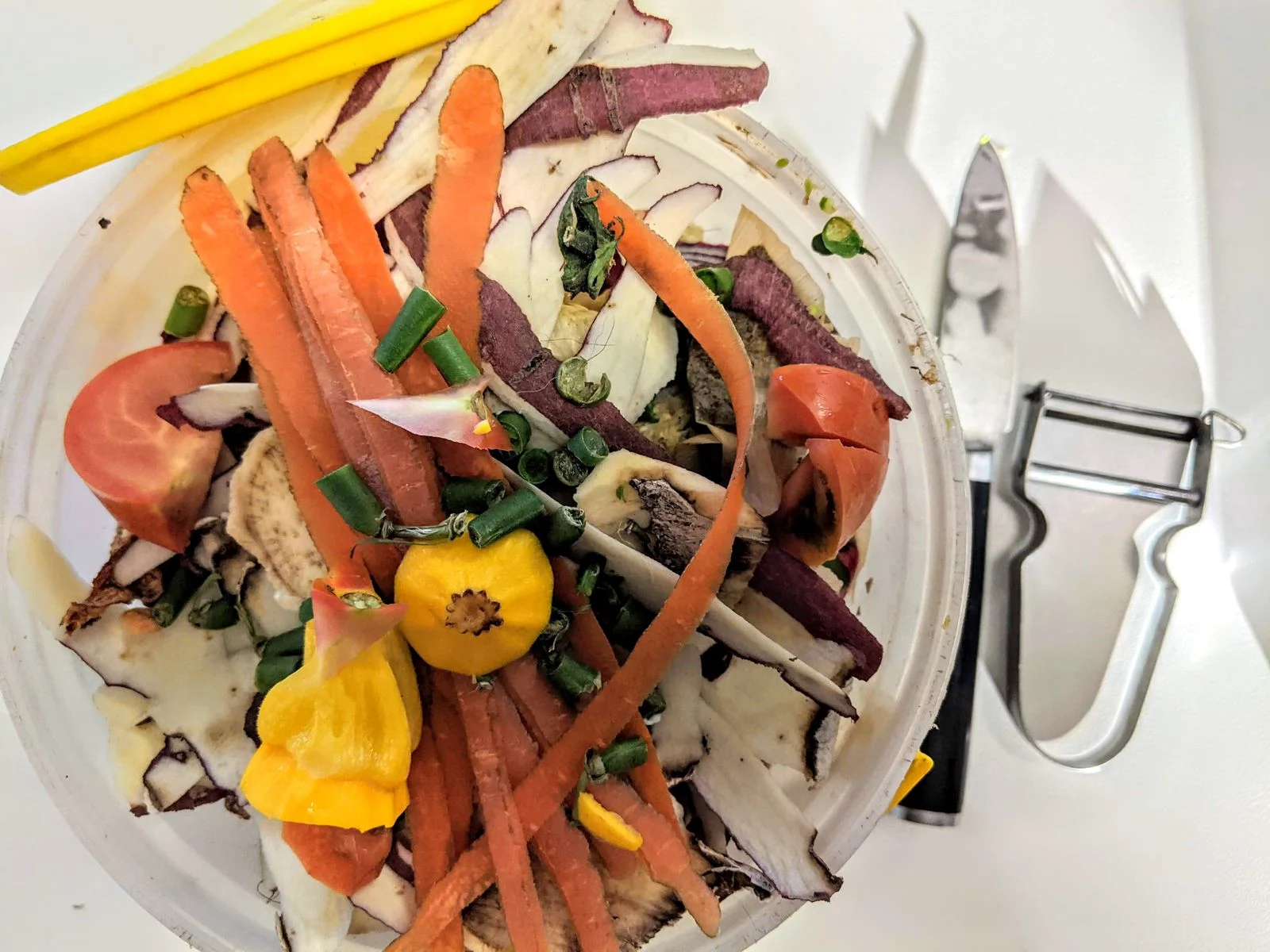
- Fruit and vegetable scraps, coffee grounds, leaves and shredded cardboard are safe for most bins.
- Keep out meat, dairy, oils, pet waste and diseased plants in a typical home pile.
- Chop materials small to speed up breakdown.
You can compost fruit and vegetable scraps, coffee grounds, eggshells, leaves, grass clippings and plain paper or cardboard; avoid meat, dairy, oils and pet waste in a standard home compost pile. Here is the full breakdown.
Greens: Nitrogen-Rich Materials
- Fruit and vegetable scraps
- Coffee grounds and paper filters
- Tea bags (check they are not plastic-sealed)
- Fresh grass clippings
- Garden trimmings and plant cuttings
- Manure from plant-eating animals such as rabbits and chickens
Browns: Carbon-Rich Materials
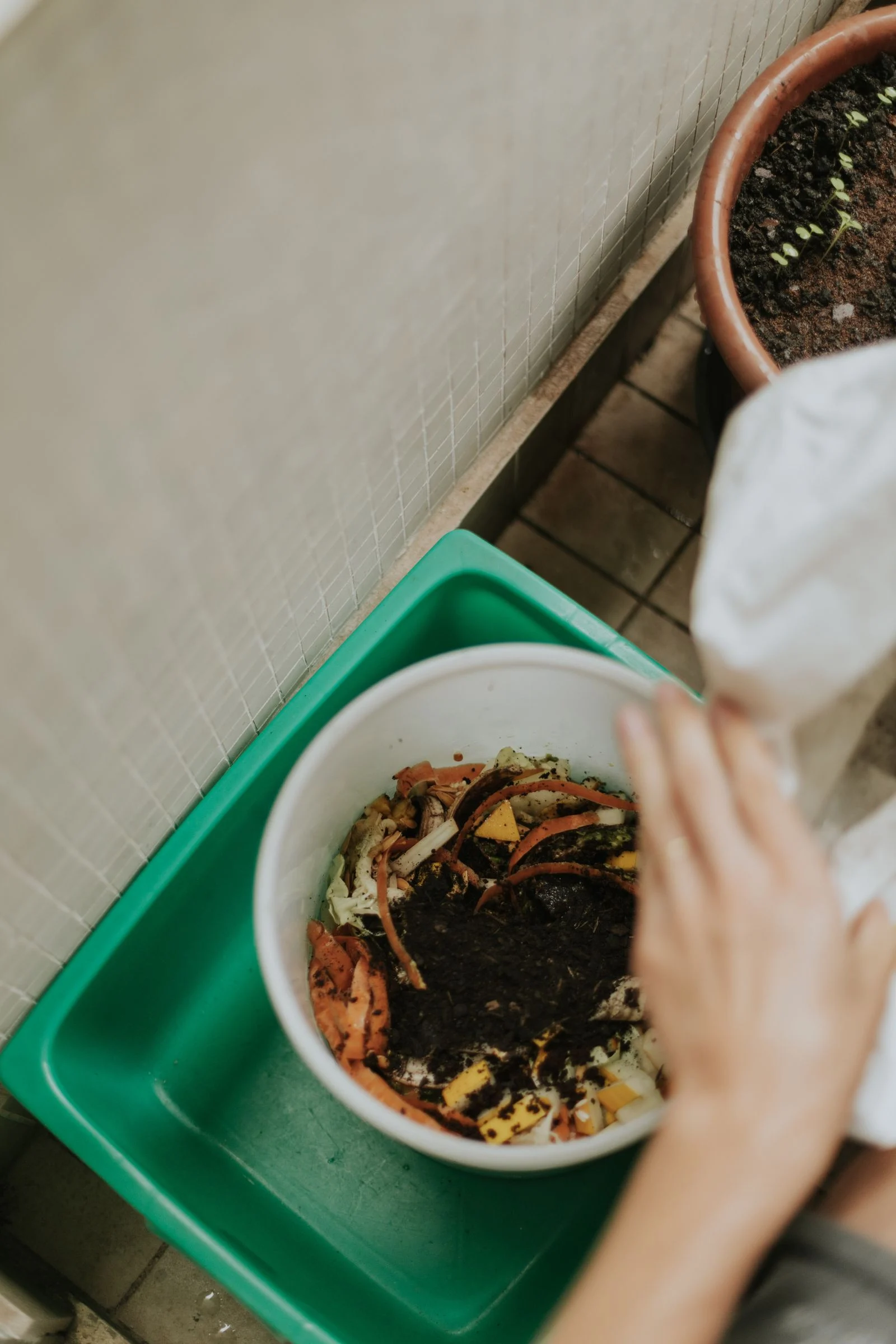
- Dry leaves
- Shredded cardboard and plain paper
- Straw and hay
- Sawdust from untreated wood
- Small twigs and wood chips
- Paper towels and napkins without chemicals or grease
Gray-Area Items
| Item | Verdict | Notes |
|---|---|---|
| Citrus peels | OK in moderation | Chop small; large amounts may slow worms |
| Onions and garlic | OK | Fine in small quantities |
| Eggshells | OK | Crush for faster breakdown |
| Bread and cooked rice | Use caution | Can attract pests; bury in the center |
| Wood ash | Skip it | Too alkaline; NC State Extension advises against it |
| Compostable plastics | Usually no | Often need industrial composting |
| Weeds without seeds | OK | Skip weeds that have gone to seed; the EPA advises leaving them out |
What to Keep Out
- Meat, fish, bones and dairy, which smell and attract pests.
- Oils and greasy food.
- Dog and cat waste, which can carry pathogens.
- Diseased plants that could spread problems.
- Glossy or heavily printed paper, treated or painted wood.
- Anything with pesticides or chemicals.
Sources
Figures and advice in this guide were checked against these university extension and government publications. Last reviewed November 5, 2026.
- What Can Be Composted in a Home Composting Bin, NC State Extension
- Composting at Home, US Environmental Protection Agency
Frequently Asked Questions
Can you compost orange and citrus peels?
Yes, in small amounts. Citrus breaks down slowly and a lot of it can make the pile acidic. Chop peels small and mix them with plenty of brown material so they blend in and decompose evenly. Avoid adding whole slices or rinds.
Can you compost meat, dairy and eggs?
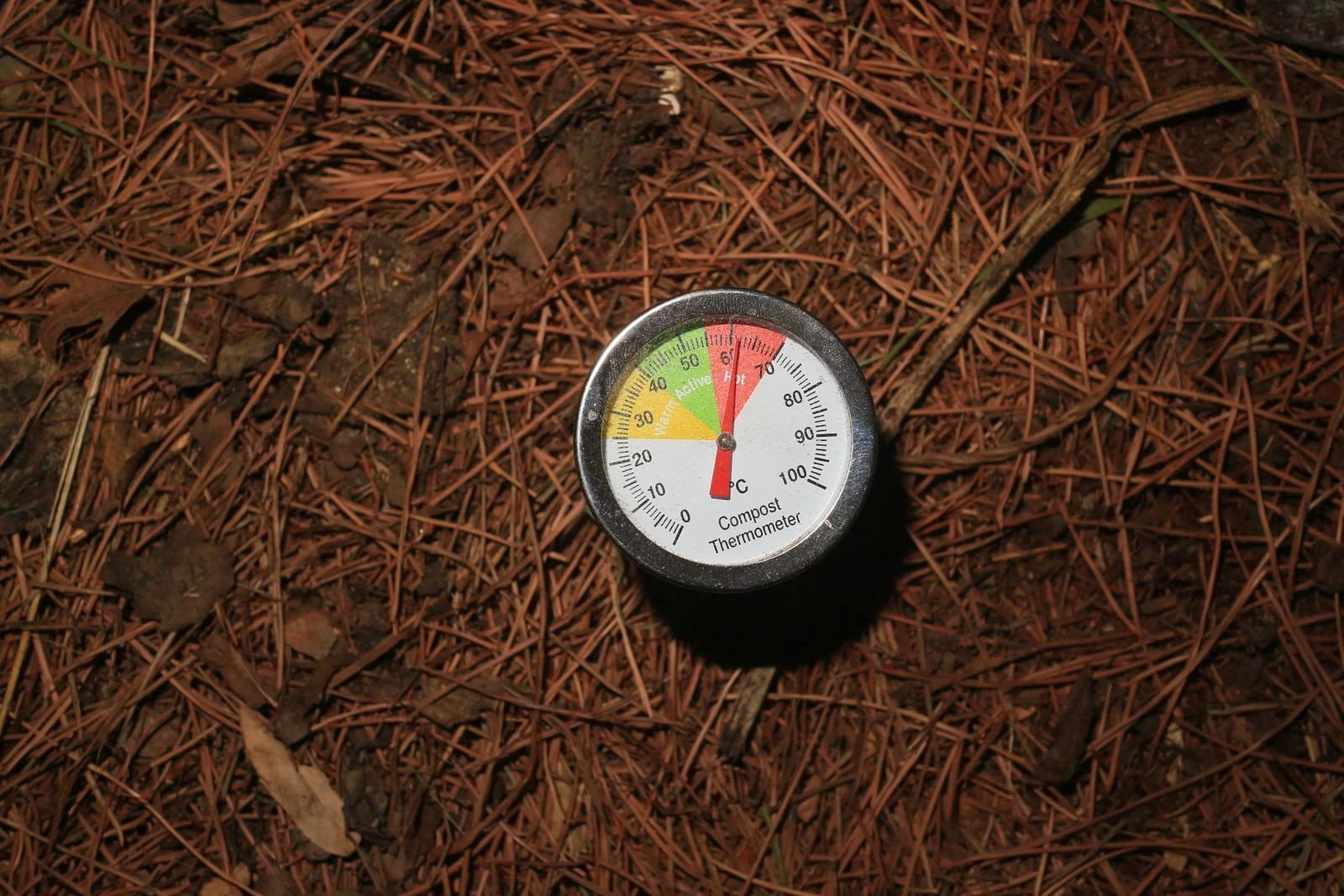
It is best avoided in home bins. Meat, fish and dairy break down slowly, smell strongly and attract rodents and flies. Hot commercial composting can handle them, but a typical backyard pile cannot do so reliably. Heat and time are what make that possible.
Can you put paper and cardboard in a compost bin?
Yes. Plain, uncoated paper and cardboard are good browns once torn or shredded. Avoid glossy, heavily printed or waxed material, and remove tape and labels so only clean fibres go into the pile. Shredding speeds decomposition and keeps layers airy.
Can you compost dog poop or diseased plants?
Avoid dog and cat waste, which can carry parasites. Diseased plants are risky too, because cool piles may not kill pathogens. Use municipal green waste collection if it accepts them, or bin them instead. Check local rules for your area.
Related Guides
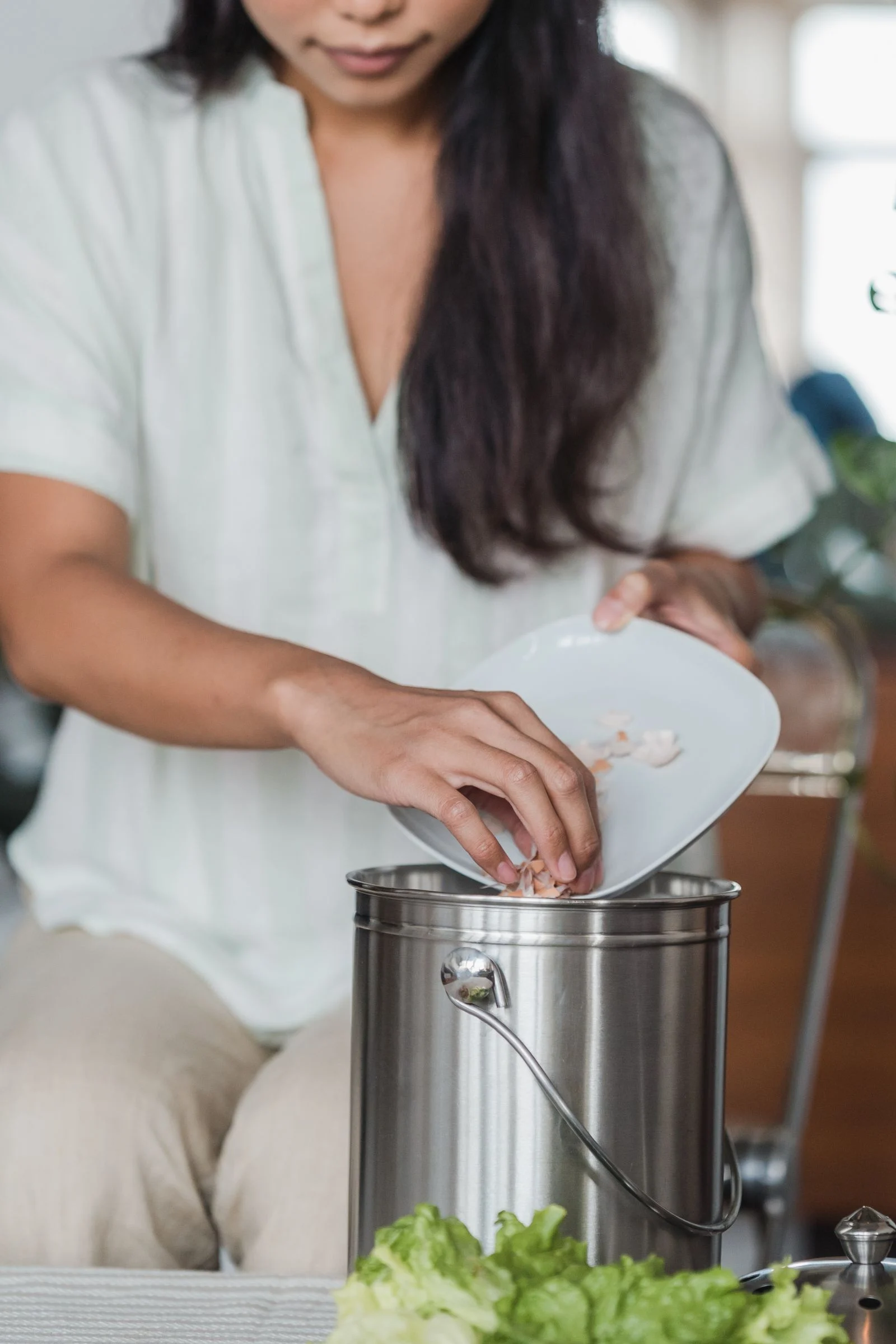
Featured image: Food Scraps and Yard Debris Collection in Portland 2010 by Tim Jewett.JPG by Tim Jewett, CC BY-SA 2.5, via Wikimedia Commons.