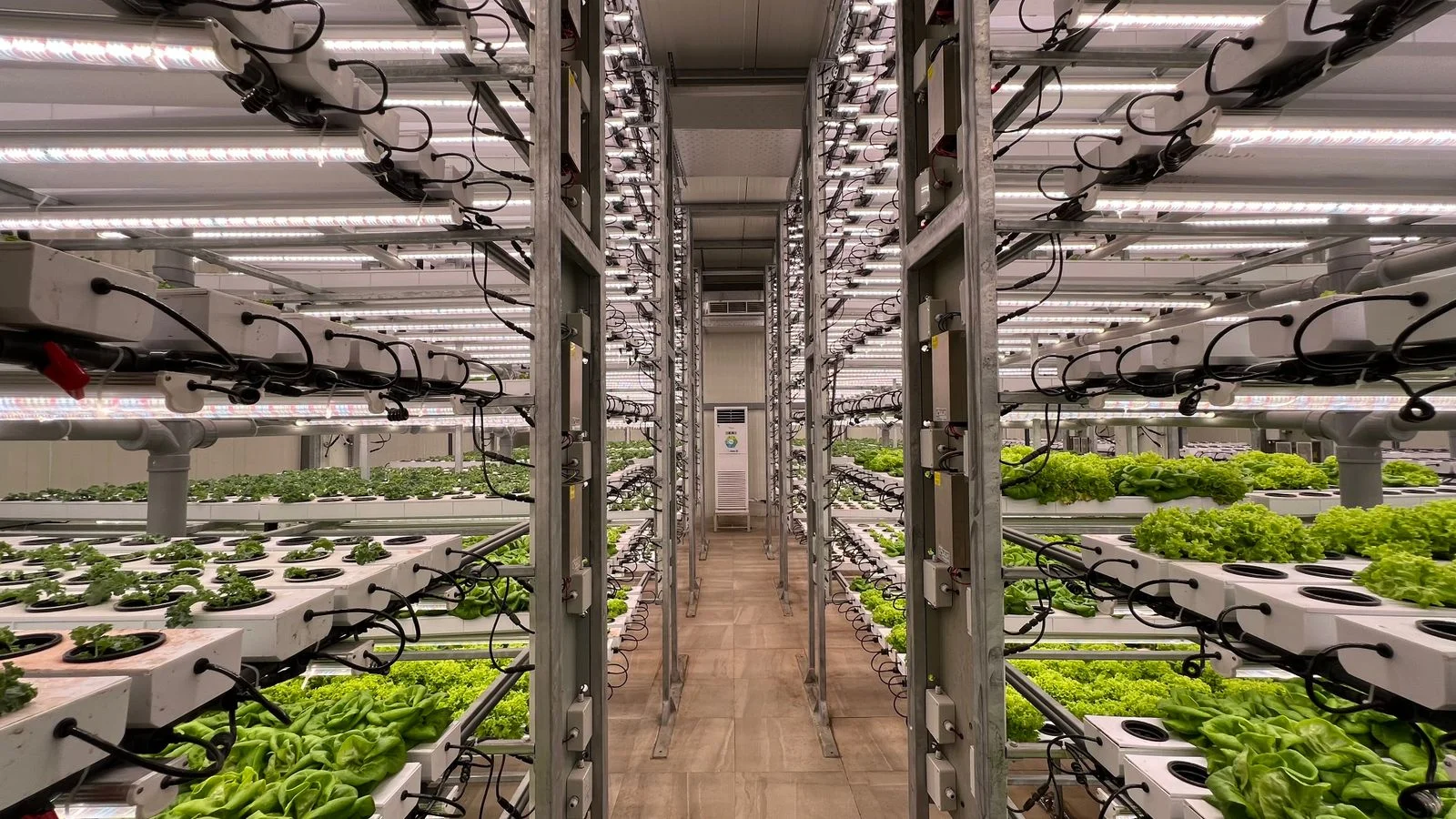
A hydroponic garden grows plants in nutrient-rich water instead of soil. Because roots get water, nutrients and oxygen directly, many crops grow quickly in a small footprint, which makes hydroponics popular with apartment dwellers, renters and anyone short on yard space. This guide explains how it works and walks you through setting up your first garden.
How a Hydroponic Garden Works
Plants need light, water, oxygen and nutrients. Soil is only one way to deliver them. In hydroponics, the roots sit in, or are regularly washed by, a nutrient solution made from water and a fertilizer designed for soil-free growing. A neutral support such as rockwool, coco coir or clay pebbles holds the plant upright.
Choose a Beginner-Friendly System
There are six common hydroponic system types. For a first garden, the simplest options are the best.
| System | How it works | Best for | Difficulty |
|---|---|---|---|
| Kratky (passive) | Plant sits above a jar or tub of solution; no pump | Lettuce, herbs, learning the basics | Easiest |
| Deep water culture (DWC) | Roots hang in aerated solution | Lettuce, basil, leafy greens | Easy |
| Nutrient film technique (NFT) | Thin film of solution flows past roots in channels | Leafy greens, strawberries | Moderate |
| Ebb and flow | Tray floods and drains on a timer | Many crops, flexible | Moderate |
| Drip | Solution dripped onto each plant | Larger plants like tomatoes | Moderate |
| Aeroponics | Roots misted with solution | Advanced growers | Hard |
If you want the cheapest, quietest start, try the Kratky method, a passive approach developed at the University of Hawaii that needs no pump. If you want faster growth, a small DWC bucket with an air pump is a reliable next step. Many people also start with a ready-made countertop unit, which handles lights and timing for you.
What You Need to Get Started
- A container or system: a food-safe, opaque tub or bucket, or a countertop kit. Opaque matters because light on the nutrient solution encourages algae.
- Growing medium: rockwool cubes, coco coir or clay pebbles to anchor seedlings.
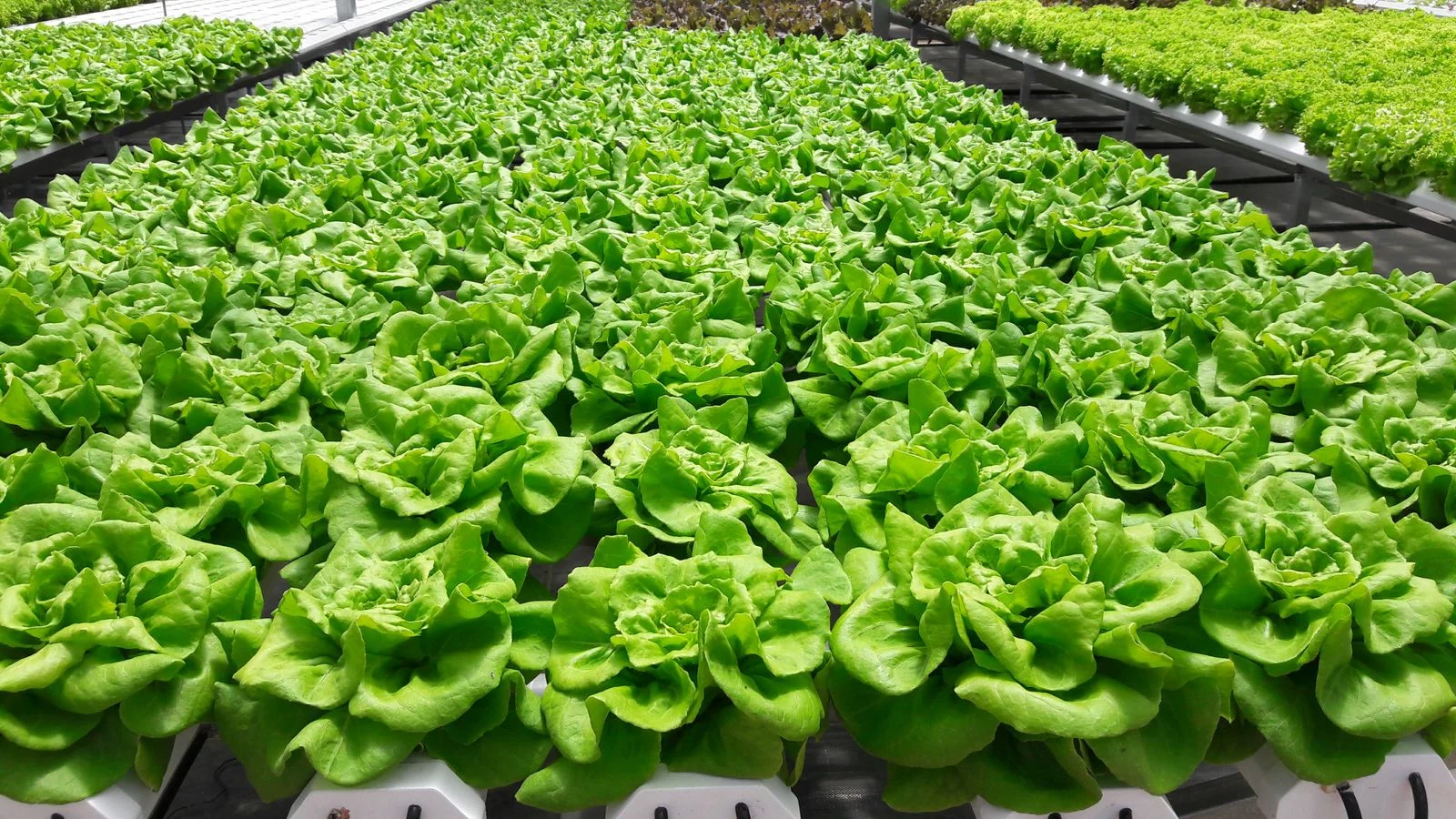
- Seeds or seedlings: lettuce and herbs are the easiest.
- Hydroponic nutrients: a complete, water-soluble fertilizer labeled for hydroponics. Regular potting-soil fertilizer is not designed for this.
- Light: a window with strong direct sun, or a full-spectrum LED grow light for indoor setups.
- pH and nutrient testing: a basic pH test kit or meter. A TDS or EC meter helps you measure nutrient strength.
- Air pump and air stone (for DWC) to oxygenate the water.
Step-by-Step Setup
- Pick your spot. Choose a stable surface near an outlet if you use lights or pumps. Avoid places with strong temperature swings.
- Assemble the system. Place the net pots or lid on your opaque container and add the air pump and air stone if your system uses them.
- Start seeds. Germinate seeds in a moist rockwool cube or similar medium until they sprout, then move them into net pots.
- Mix the nutrient solution. Follow the nutrient manufacturer’s directions. Start at a weak strength for seedlings and increase as plants grow.
- Adjust pH. Most leafy greens and herbs do best at a pH of roughly 5.5 to 6.5. Use pH up or pH down products in small amounts and retest.
- Set the light. Leafy greens typically do well with roughly 10 to 16 hours of light per day under a grow light, and University of Florida guidance for lettuce cites 10 to 11 hours. Use a timer and avoid running lights around the clock.
- Place the plants. Set the seedlings so the bottom of the medium touches or sits just above the solution, depending on your system.
Daily and Weekly Care
- Check water level every few days and top up with plain water as plants drink.
- Test pH at least twice a week, since it drifts as plants feed.
- Change the solution roughly every one to two weeks to prevent nutrient imbalance and disease.
- Keep water cool. Water around 65 to 72°F (18 to 22°C) holds more oxygen and reduces root problems.
- Watch the roots. Healthy roots are white or cream. Brown, slimy roots signal root rot, usually from warm water or poor oxygenation.
Common Beginner Mistakes
- Using clear containers that let light in and grow algae.
- Over-feeding nutrients; stronger is not better and can burn plants.
- Ignoring pH, which locks out nutrients even when they are present.
- Starting with demanding crops such as tomatoes before learning the basics.
- Letting the water get warm in summer.
What to Grow First
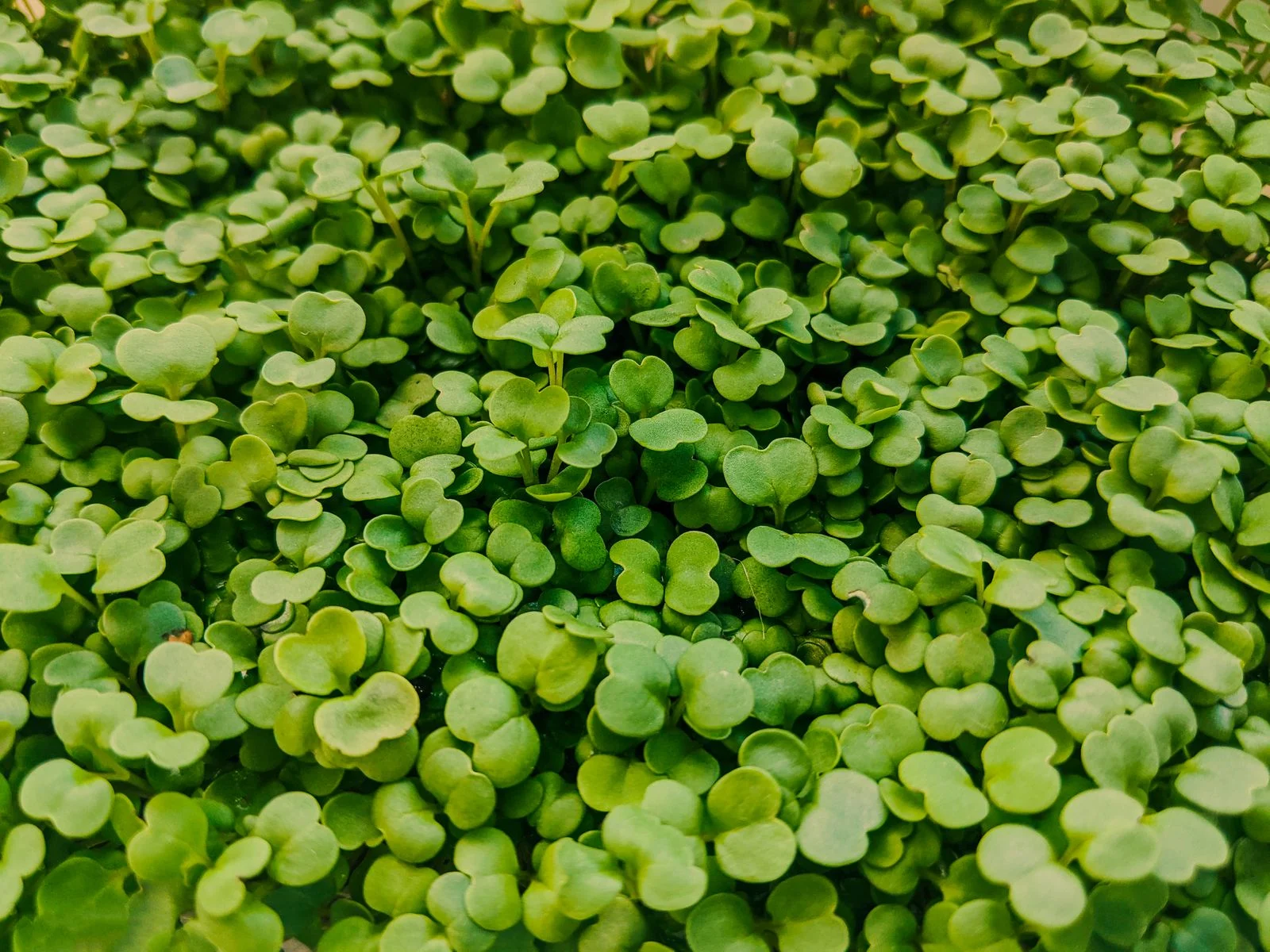
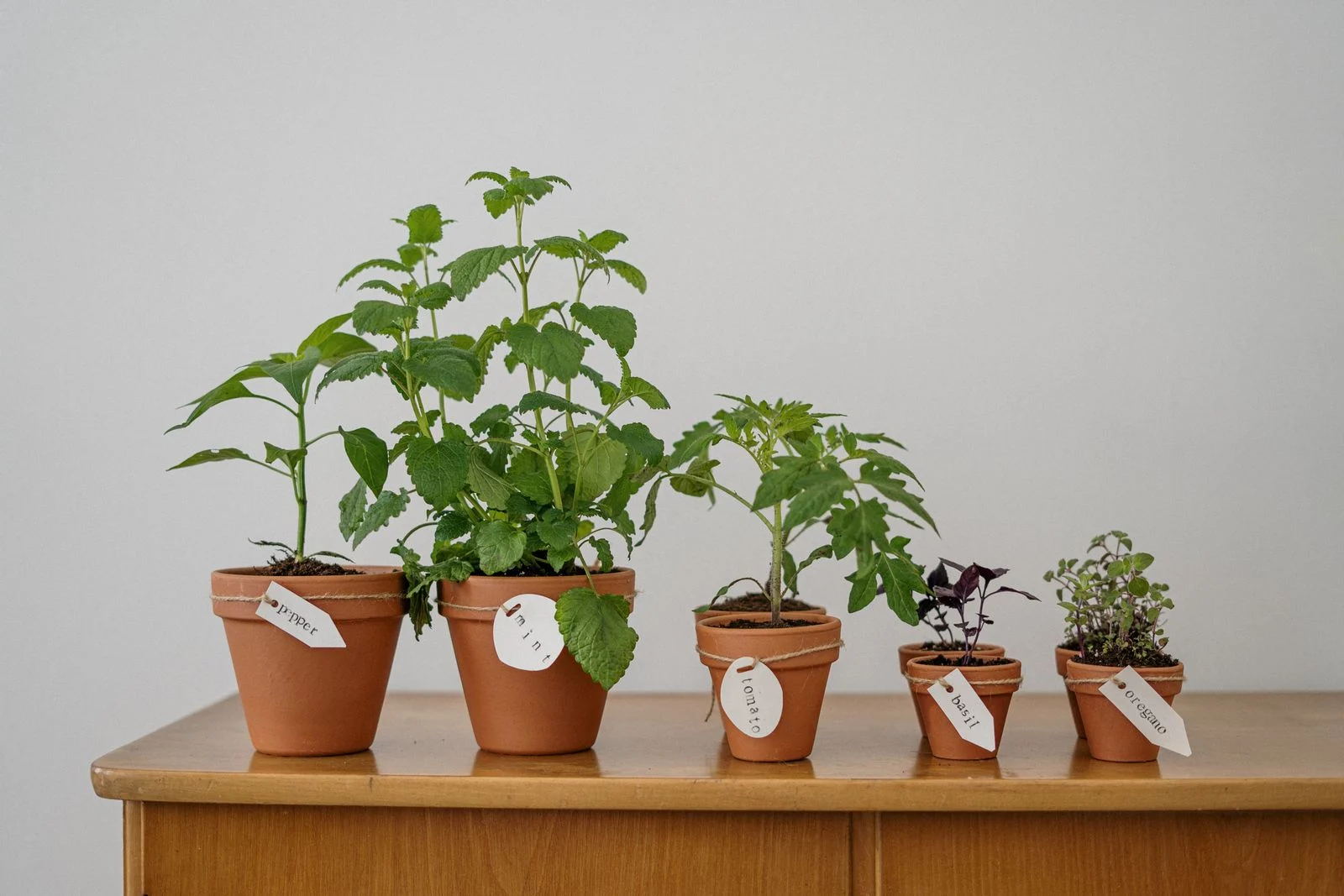
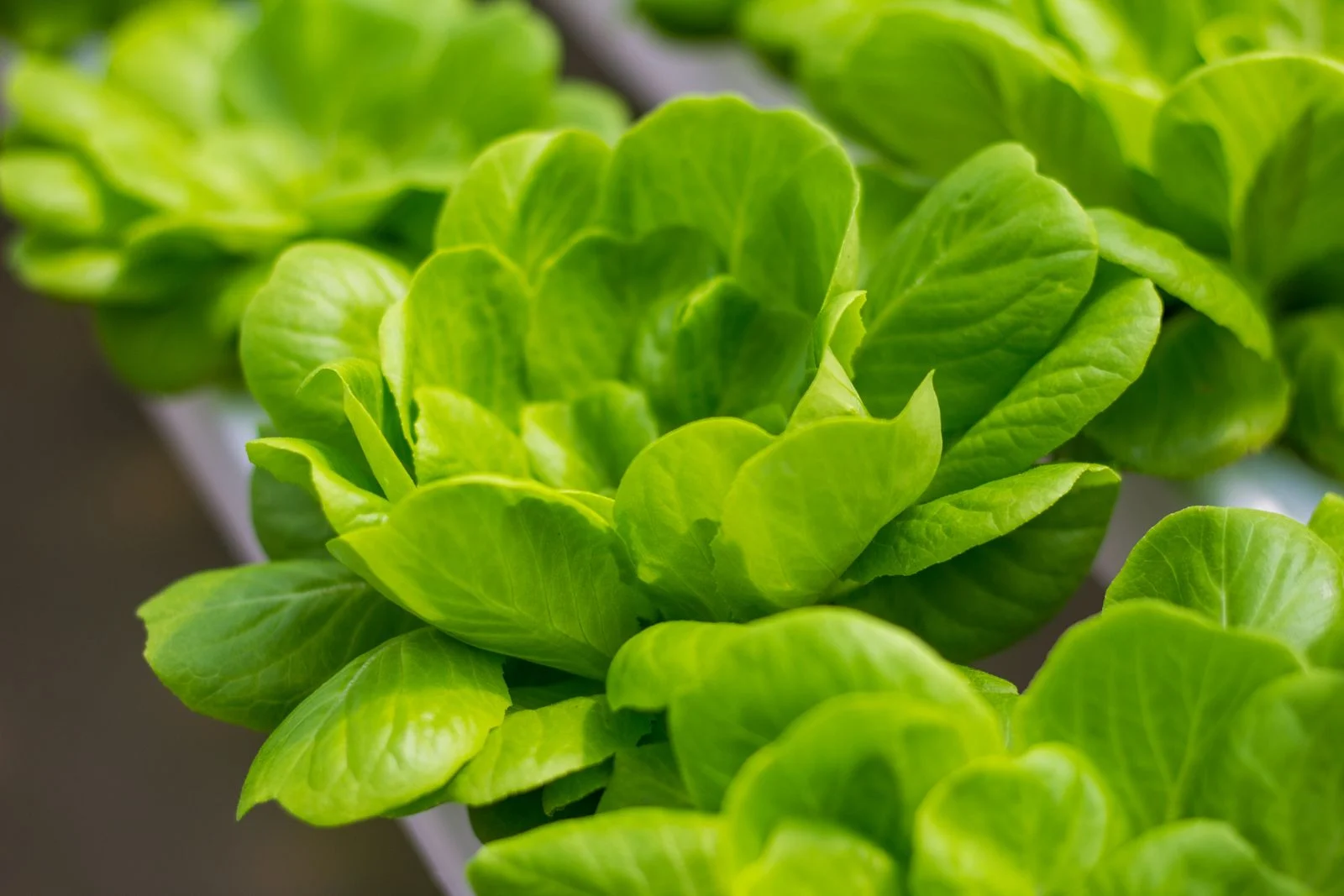
Lettuce, basil, mint, kale and spinach are forgiving and fast. Lettuce can be ready to harvest in about four to seven weeks from seed in good conditions. See our guide to the best plants for hydroponics for a longer list.
Is Hydroponics Worth It?
Hydroponics shines when space is limited and you want reliable, fast-growing greens year-round. It does require some equipment, power for pumps and lights, and a little routine care. For many beginners, a small Kratky or DWC setup is a low-cost way to find out whether it suits you before investing in a larger system.
Sources
Figures and advice in this guide were checked against these university extension and government publications. Last reviewed November 5, 2026.
- Growing Lettuce in Small Hydroponic Systems, UF/IFAS Extension, University of Florida
- Set it & Forget it Hydroponic Lettuce, UF/IFAS Extension, University of Florida
- Optimal Fertilizer Solution Concentration for Hydroponic Lettuce Production (HO-309-W), Purdue University Extension
- Three Non-Circulating Hydroponic Methods for Growing Lettuce (B.A. Kratky, 2009), University of Hawaii CTAHR
Frequently Asked Questions
Can you grow plants without soil using hydroponics?
No. Roots grow in water or an inert medium such as clay pebbles or rockwool. A nutrient solution supplies what soil normally provides, so you control feeding directly and avoid weeds, soil pests and most soil-borne diseases. That makes it a tidy option indoors.
What is the best hydroponic system for beginners at home?
Kratky jars and deep water culture are the simplest. Kratky needs no pump or electricity, while deep water culture adds an air pump. Both suit lettuce and herbs and teach pH and nutrient basics cheaply. Start with one system before expanding.
How long does it take to grow vegetables hydroponically?
Fast leafy crops such as lettuce and basil are often ready in four to eight weeks. Fruiting plants like tomatoes take several months. Light, temperature and nutrient strength all change the timeline for each crop. Seedlings usually start sooner than mature plants.
Can you do hydroponics in an apartment?
Yes. A countertop kit, or a shelf with LED grow lights, fits a small space. Choose compact crops, cover reservoirs to limit algae, and keep the setup near an outlet and away from leaks. Check your lease before drilling any holes.
Related Guides
Featured image: Hydroponic arrangement.jpg by Just2blabber, CC0, via Wikimedia Commons.