Not every plant is equally suited to growing in water. Some thrive and give you quick harvests; others need extra support, light or nutrients. Here is a practical guide to what to grow first, what to try next, and what to skip for now.
Easiest Hydroponic Plants for Beginners
- Lettuce: fast-growing, shallow-rooted and tolerant. Loose-leaf and butterhead types are especially easy.
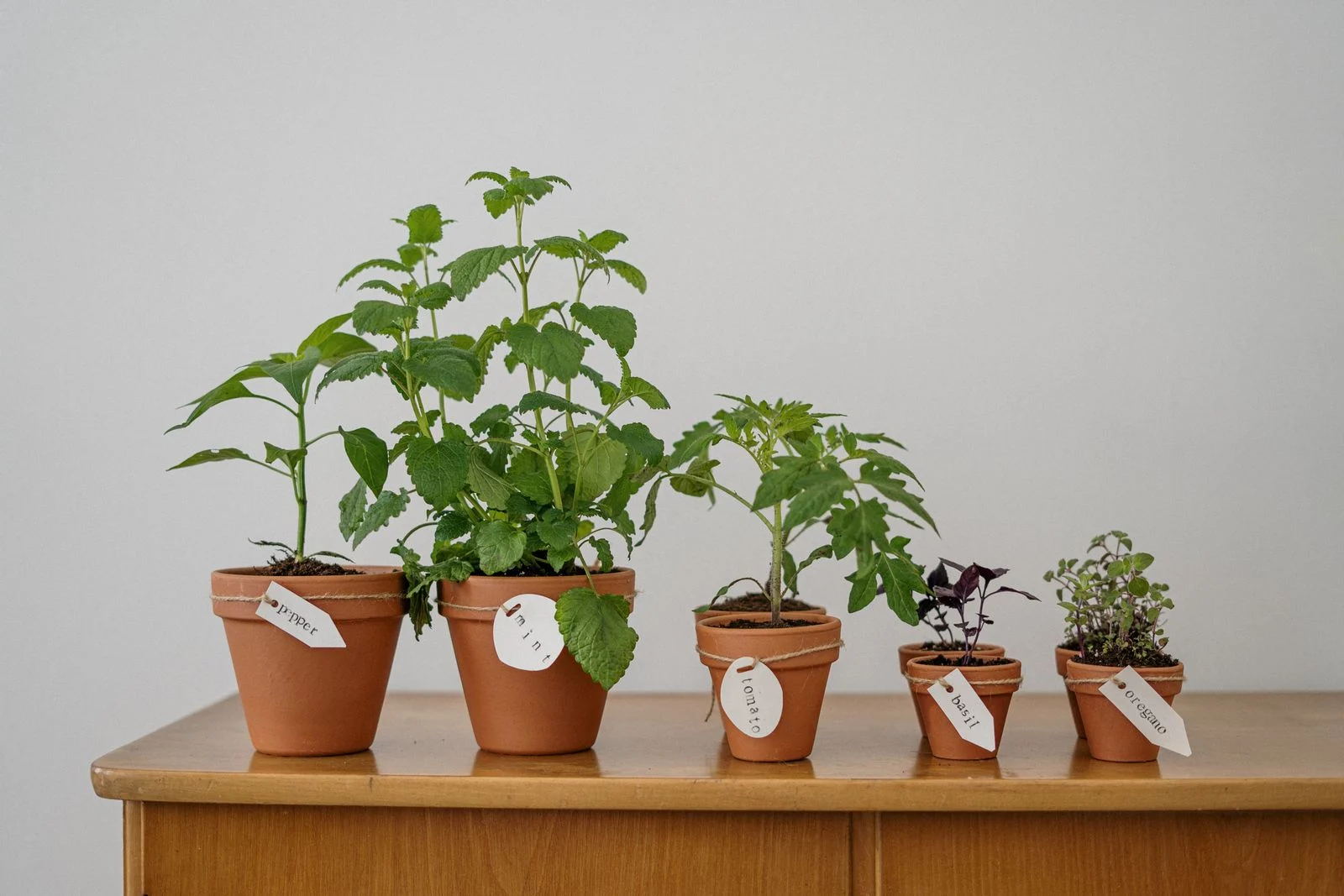
- Basil: loves warmth and light, and responds well to regular harvesting.
- Mint: vigorous and forgiving, but grow it in its own container because it spreads quickly.
- Spinach and kale: prefer cooler conditions and handle moderate light.
- Parsley, cilantro and chives: reliable herbs for small systems.
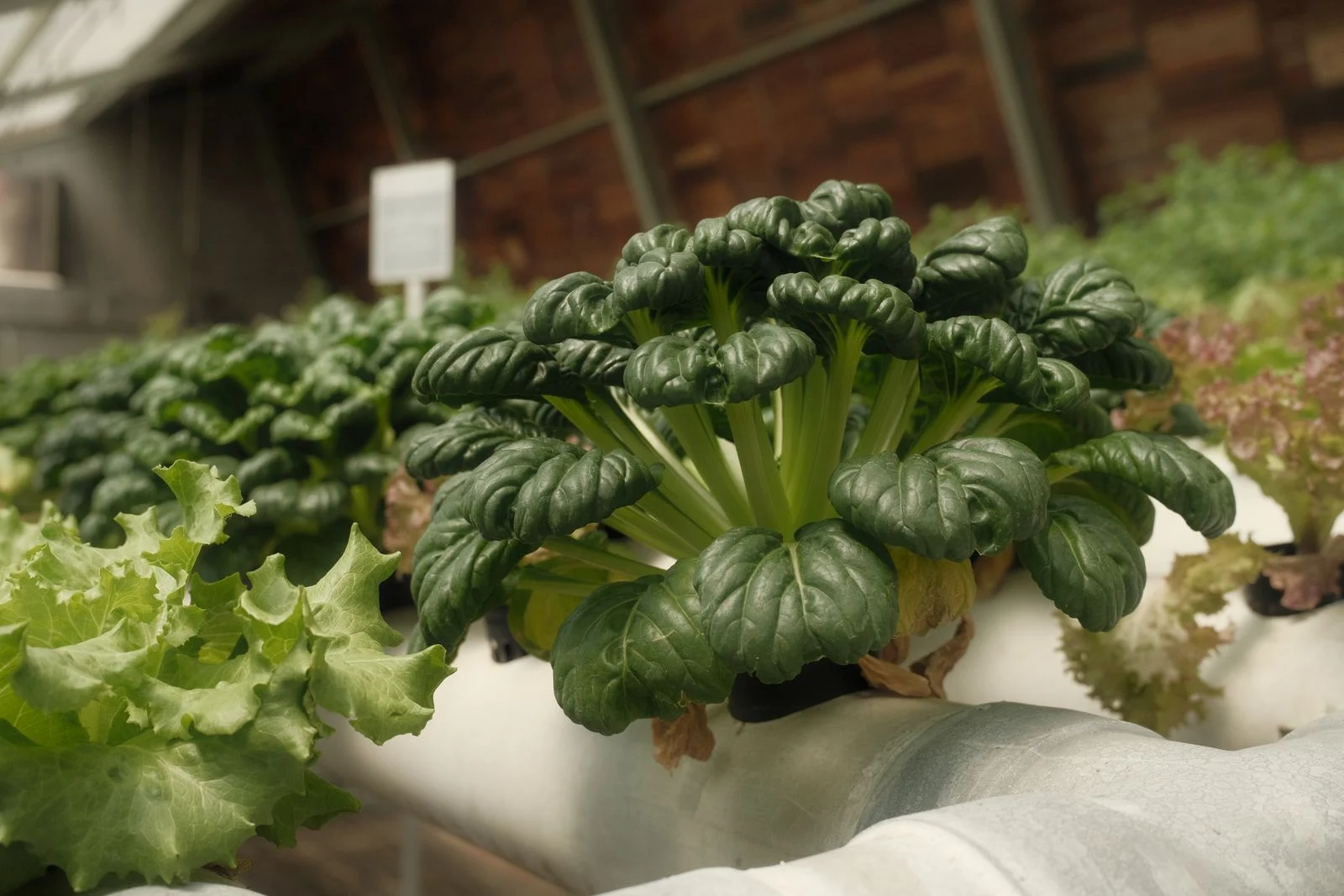
- Bok choy and other Asian greens: quick growers well suited to NFT and DWC systems.
Good Next-Step Crops
- Strawberries: work well in NFT and vertical systems, but need good light and steady care.
- Peppers: need strong light, support and a longer growing period.
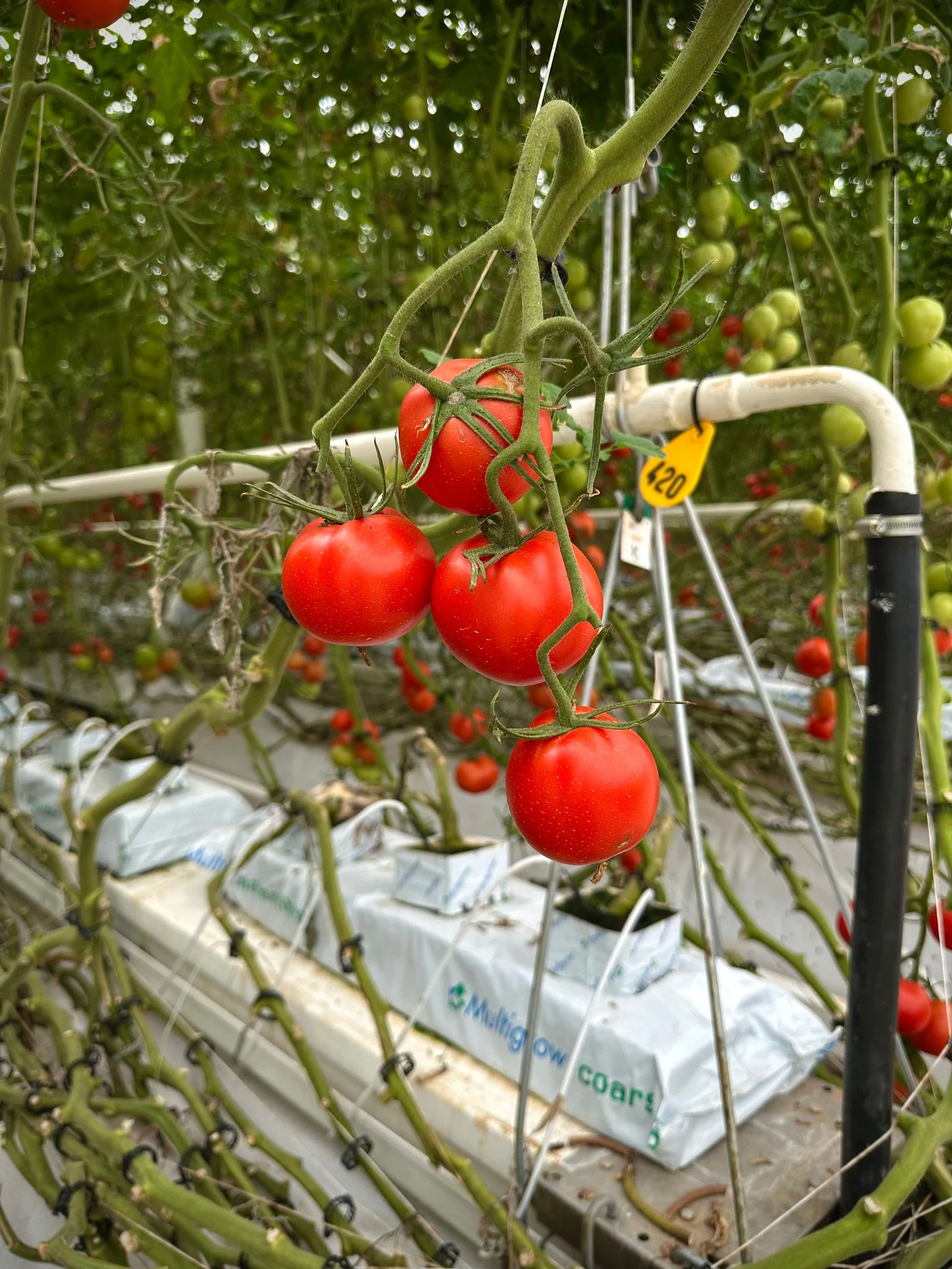
- Tomatoes and cucumbers: productive but demanding. They need high light, trellising, pollination for fruit set and a stronger nutrient program.
Plants to Avoid at First
- Root vegetables such as carrots, potatoes and beets need special setups and are not beginner-friendly.
- Large plants such as corn and squash take up a lot of space and support.
Quick Comparison
| Plant | Difficulty | Light needs | Typical system |
|---|---|---|---|
| Lettuce | Easy | Moderate | Kratky, DWC, NFT |
| Basil | Easy | High | DWC, NFT |
| Mint | Easy | Moderate | DWC |
| Kale | Easy | Moderate | DWC, NFT |
| Strawberries | Medium | High | NFT, vertical |
| Tomatoes | Hard | Very high | Drip, DWC (large) |
Tips for Success
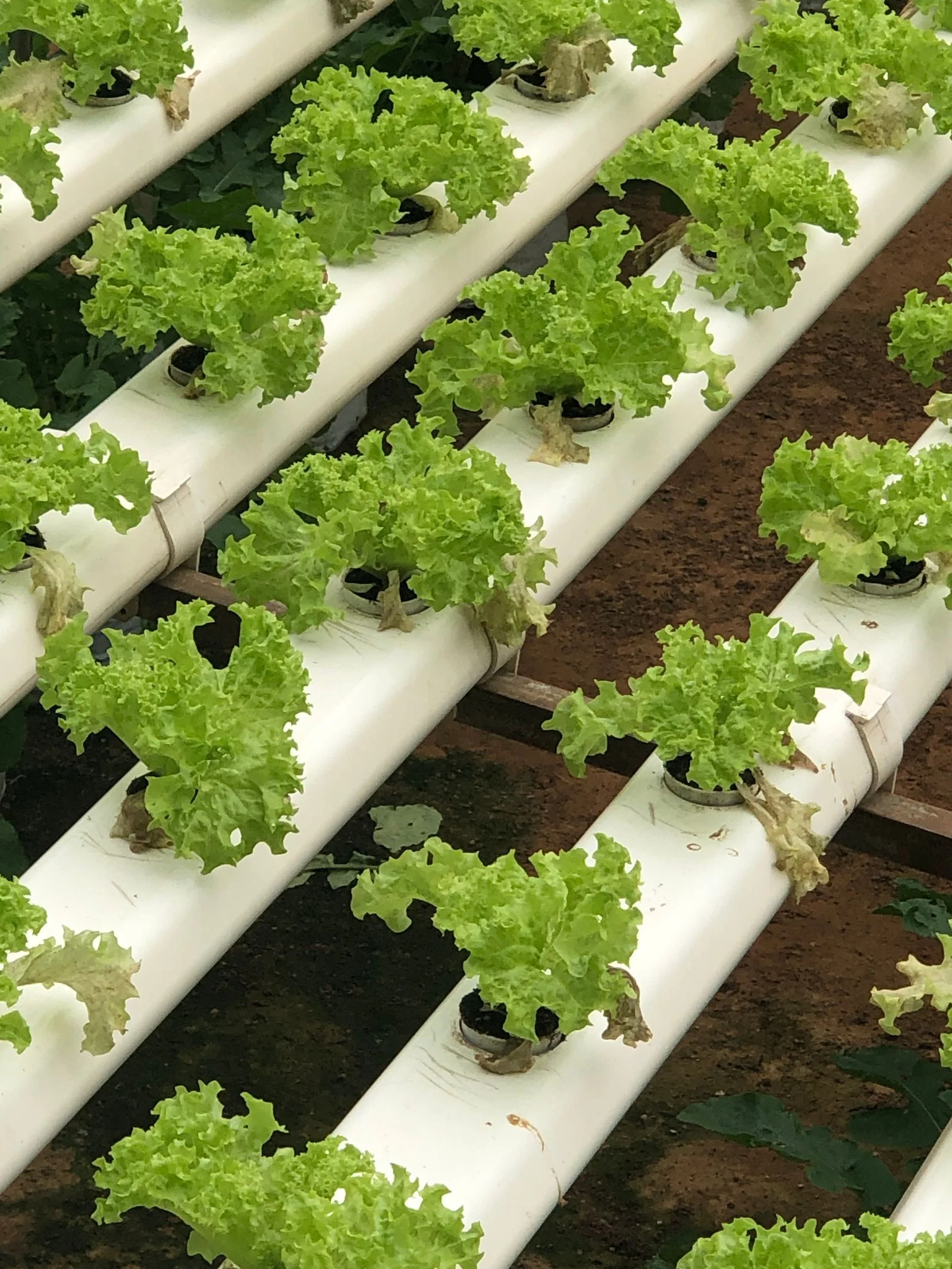
- Match the plant to your system and light. Leafy greens do well under modest LED lights; fruiting crops need much more.
- Group plants with similar nutrient and light needs.
- Harvest regularly to encourage new growth.
- Start with one or two crops, learn the routine, then expand.
New to hydroponics? Start with our beginner’s guide to setting up a hydroponic garden.
Related Guides
Featured image: Hydroponic lettuce leaves green.jpg by Leon Brooks, Public domain, via Wikimedia Commons.
Sources
Figures and advice in this guide were checked against these university extension and government publications. Last reviewed November 5, 2026.
- Growing Lettuce in Small Hydroponic Systems, UF/IFAS Extension, University of Florida
- Set it & Forget it Hydroponic Lettuce, UF/IFAS Extension, University of Florida
- Three Non-Circulating Hydroponic Methods for Growing Lettuce (B.A. Kratky, 2009), University of Hawaii CTAHR
Frequently Asked Questions
What is the easiest vegetable to grow hydroponically?
Lettuce is the usual starter. It grows fast, needs modest light and tolerates small feeding mistakes. Basil, spinach and pak choi are close behind and all do well in simple water based systems. Begin there, then widen your crop list.
Can you grow tomatoes hydroponically indoors?
Yes, but they need strong light, support and a larger reservoir. Tomatoes are heavy feeders and take months to fruit, so most beginners start with lettuce and herbs before moving on to fruiting plants. Compact dwarf varieties suit smaller setups best.
What plants should you not grow in a hydroponic garden?
Skip root crops such as carrots and potatoes, and large vines like pumpkin. They need deep media or lots of space and are hard to manage in a small system. Start with leafy greens and herbs. Master leafy crops first, then experiment later.
Can you grow herbs hydroponically at home?
Yes. Basil, mint, parsley and chives grow quickly in water and give repeat harvests. Pinch growth tips often to keep plants bushy, and give mint its own container because its roots spread aggressively. Regular harvesting also extends their productive life.