Key Takeaways
- Hydroponic plants need the same essential nutrients as soil plants, delivered in the water.
- Use a fertilizer labeled for hydroponics, not a generic houseplant or soil product.
- Keep pH roughly between 5.5 and 6.5 so plants can absorb nutrients.
- Measure strength with an EC or TDS meter and change the solution every one to two weeks.
Hydroponic nutrients are water-soluble fertilizers that supply every element a plant needs, since there is no soil to provide them. Getting the mix, strength and pH right is the biggest factor in healthy hydroponic growth.
The Nutrients Plants Need
| Group | Elements | Role |
|---|---|---|
| Macronutrients | Nitrogen, phosphorus, potassium | Leaf growth, roots and flowers, overall health |
| Secondary | Calcium, magnesium, sulfur | Cell walls, chlorophyll, proteins |
| Micronutrients | Iron, manganese, zinc, boron, copper, molybdenum | Needed in tiny amounts for enzymes and growth |
Types of Hydroponic Fertilizer
- One-part: simplest, common for beginners, but less flexible.
- Two-part: separates calcium from phosphates and sulfates so they do not react in concentrate.
- Three-part: adds flexibility for growth stages.
- Powder vs liquid: powders are cheaper per batch; liquids are easier to dose.
How to Mix a Nutrient Solution
- Start with clean water. If your tap water is very hard, consider filtered water.
- Add nutrients in the order and amounts given on the product label. Never mix concentrated parts directly together.
- Stir well and let the solution settle.
- Check pH and adjust with small amounts of pH up or pH down.
- Measure EC or TDS to confirm strength.
pH and EC: The Two Numbers to Watch
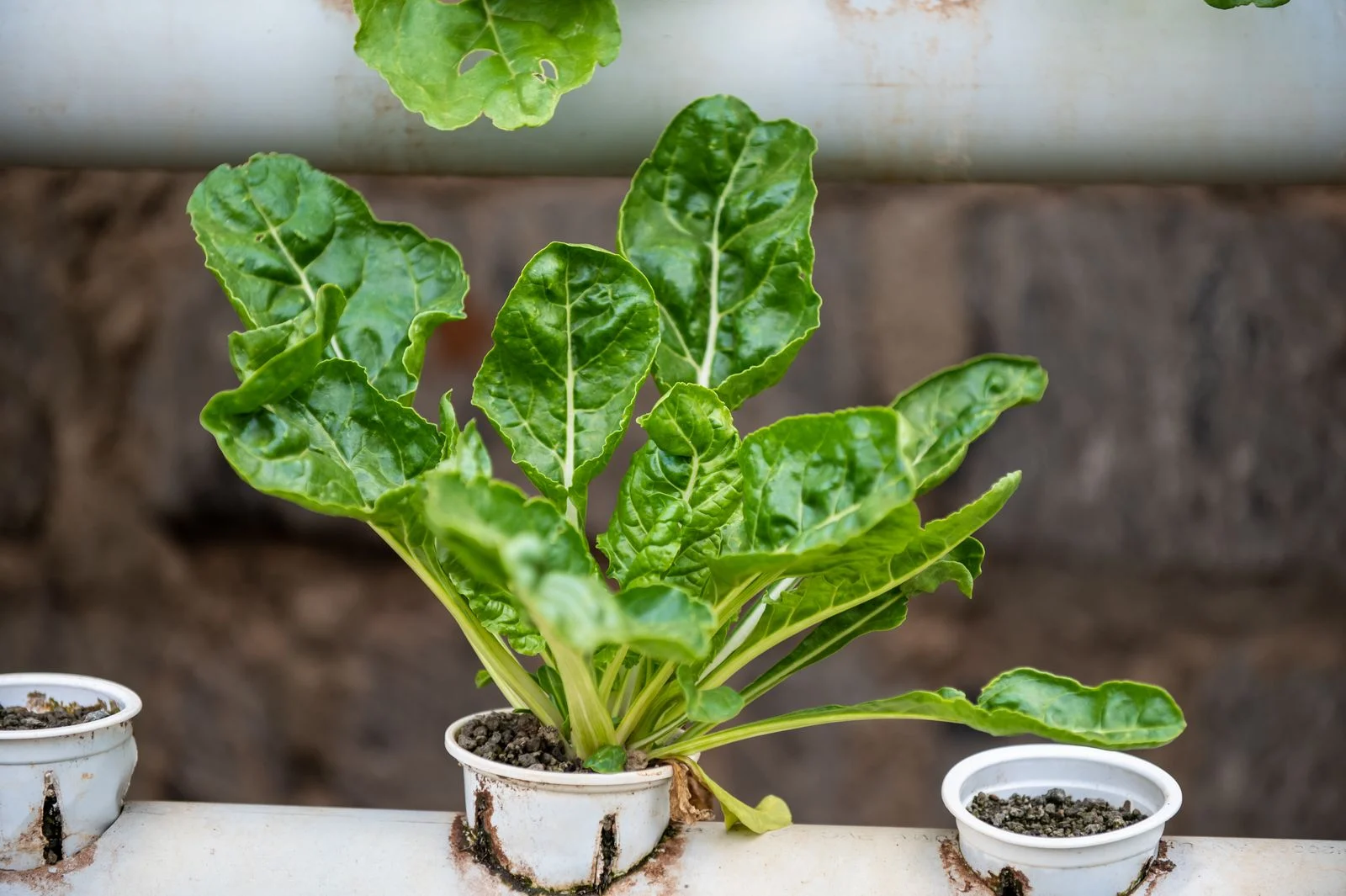
Most leafy greens and herbs grow well at a pH of about 5.5 to 6.5. Outside that range, nutrients can become hard for roots to absorb even when they are present. EC (electrical conductivity) shows how concentrated the solution is. Lettuce is commonly grown at about 1.2 to 1.8 mS/cm according to University of Florida extension guidance, and Purdue trials found 1.3 dS/m effective for hydroponic lettuce. Other crops differ, so start at the lower end of your nutrient label’s recommendation and increase gradually.
Signs of Nutrient Problems
| Symptom | Possible cause |
|---|---|
| Pale or yellowing leaves | Low nitrogen or iron, or pH too high |
| Burnt leaf tips | Solution too strong |
| Slow growth, dark leaves | Nutrient imbalance or low light |
| Brown, slimy roots | Warm water or poor oxygen, not a nutrient issue |
Sources
Figures and advice in this guide were checked against these university extension and government publications. Last reviewed November 5, 2026.
- Optimal Fertilizer Solution Concentration for Hydroponic Lettuce Production (HO-309-W), Purdue University Extension
- Growing Lettuce in Small Hydroponic Systems, UF/IFAS Extension, University of Florida
- Set it & Forget it Hydroponic Lettuce, UF/IFAS Extension, University of Florida
Frequently Asked Questions
What is EC in hydroponics and why does it matter?
EC means electrical conductivity. It estimates how much dissolved nutrient salt is in the water. A meter reading tells you whether the solution is too weak or too strong, so you can adjust before plants show stress. Track it weekly for steady growth.
What is the ideal pH for hydroponic nutrient solution?
Most hydroponic crops grow best in slightly acidic water, commonly around pH 5.5 to 6.5. Outside that range roots take up some nutrients poorly. Test regularly and adjust with small amounts of pH up or down. Calibrate your meter every month for accuracy.
Can you use regular fertilizer for hydroponics?
Usually not. Soil fertilizers can contain insoluble fillers and lack balanced micronutrients, so they clog systems and starve plants. Use a nutrient made for hydroponics, ideally a two or three part formula. Check the label before mixing any batch.
How often should you change hydroponic nutrient solution?
Many growers replace the reservoir every one to two weeks and top up with plain water in between. A fresh mix stops imbalances building up and keeps pH and EC readings easier to control. Clean the reservoir during each full change.
Related Guides
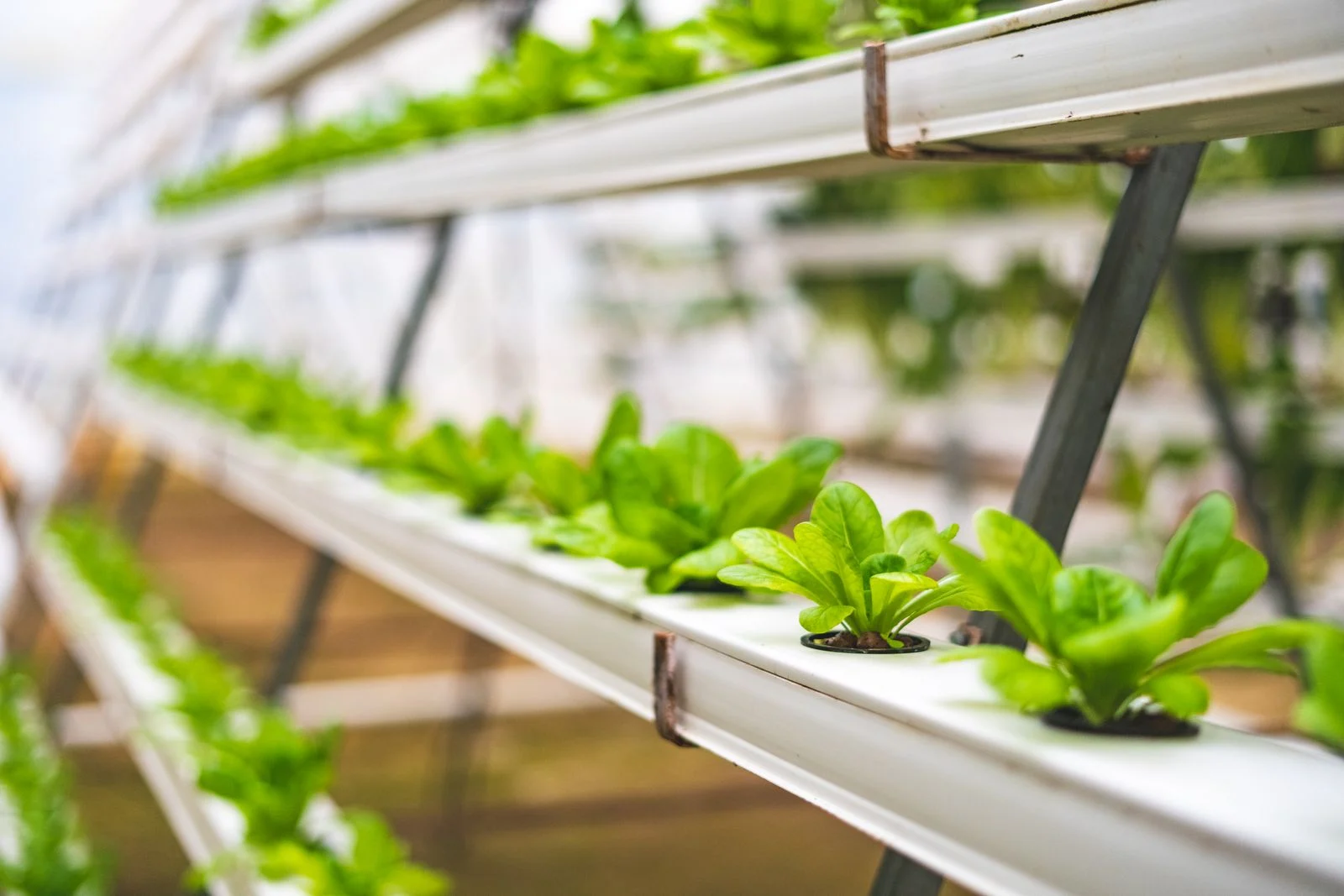
Featured image: Hydroponic Kheti Lettuce.jpg by Hydroponic Kheti, CC BY-SA 4.0, via Wikimedia Commons.