Key Takeaways
- The Kratky method is a passive hydroponic system: no pump, no timer, no electricity.
- It works best for lettuce, herbs and other short-lived leafy crops.
- Water level drops as the plant grows, creating an air gap that lets upper roots breathe.
- You fill the container once and do not top it up during the crop.
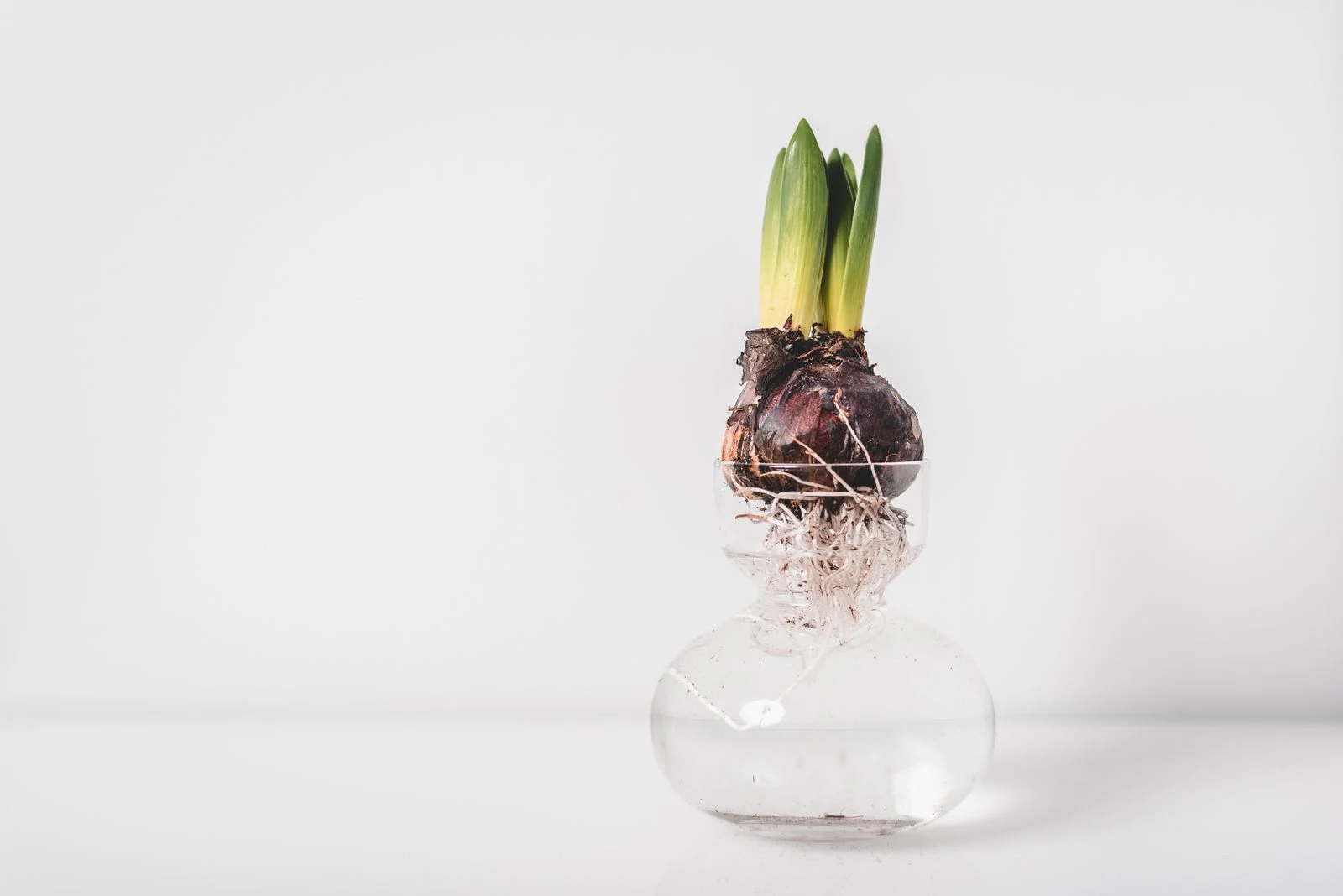
The Kratky method is a passive hydroponic technique in which plants sit above a container of nutrient solution and take up water as it slowly drops, with no pump or electricity needed. It was developed by Dr. Bernard Kratky at the University of Hawaii and is one of the cheapest ways to start growing without soil.
How the Kratky Method Works
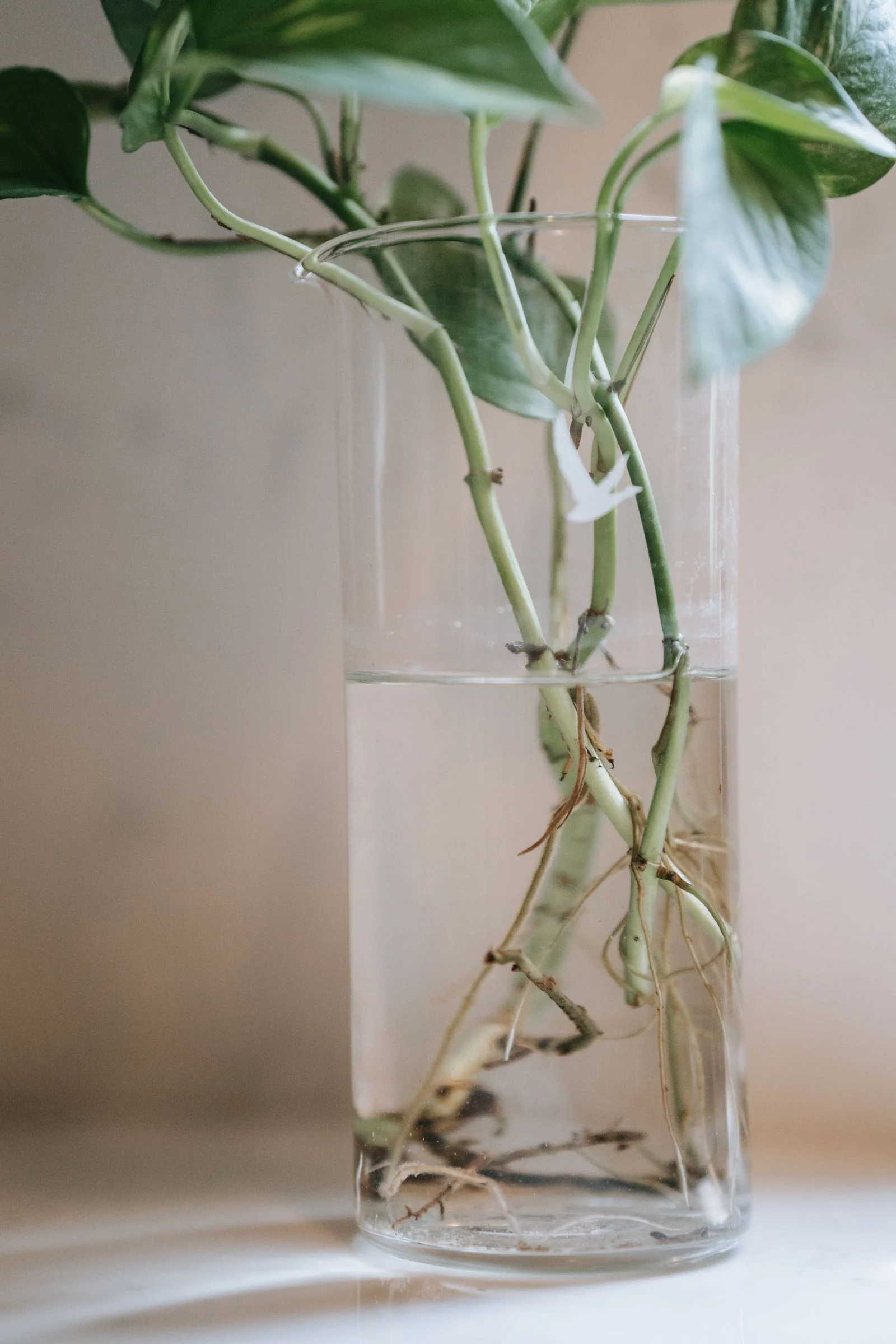
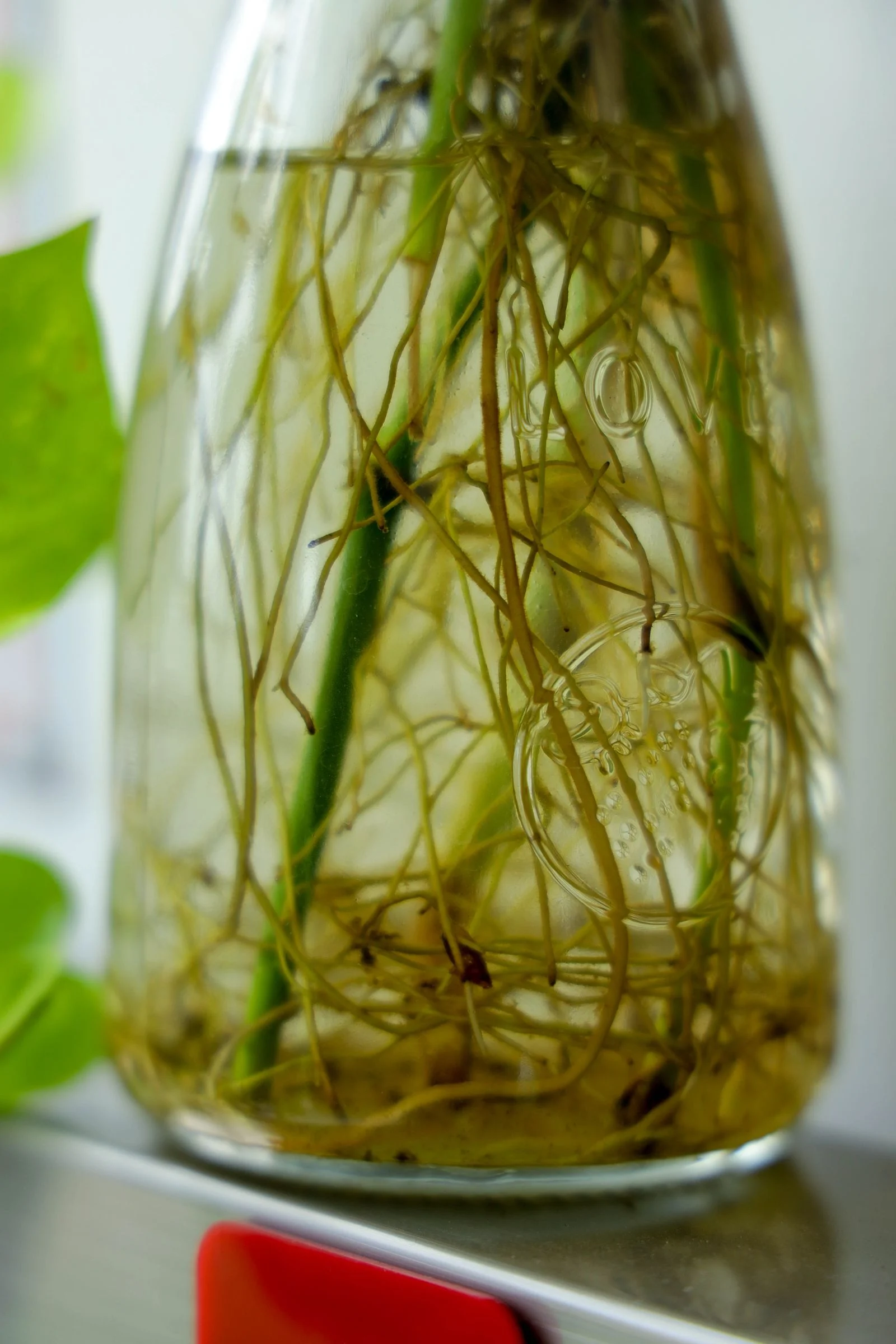
The plant sits in a net pot on the lid of a sealed container. At first the bottom of the pot touches the nutrient solution. As the roots grow and the plant drinks, the solution level falls. The roots near the top are now in humid air, which supplies oxygen, while the lower roots keep drawing nutrients. That air gap replaces the air pump used in other systems.
What to Grow
- Best: lettuce, bok choy, basil, mint, arugula and other leafy greens.
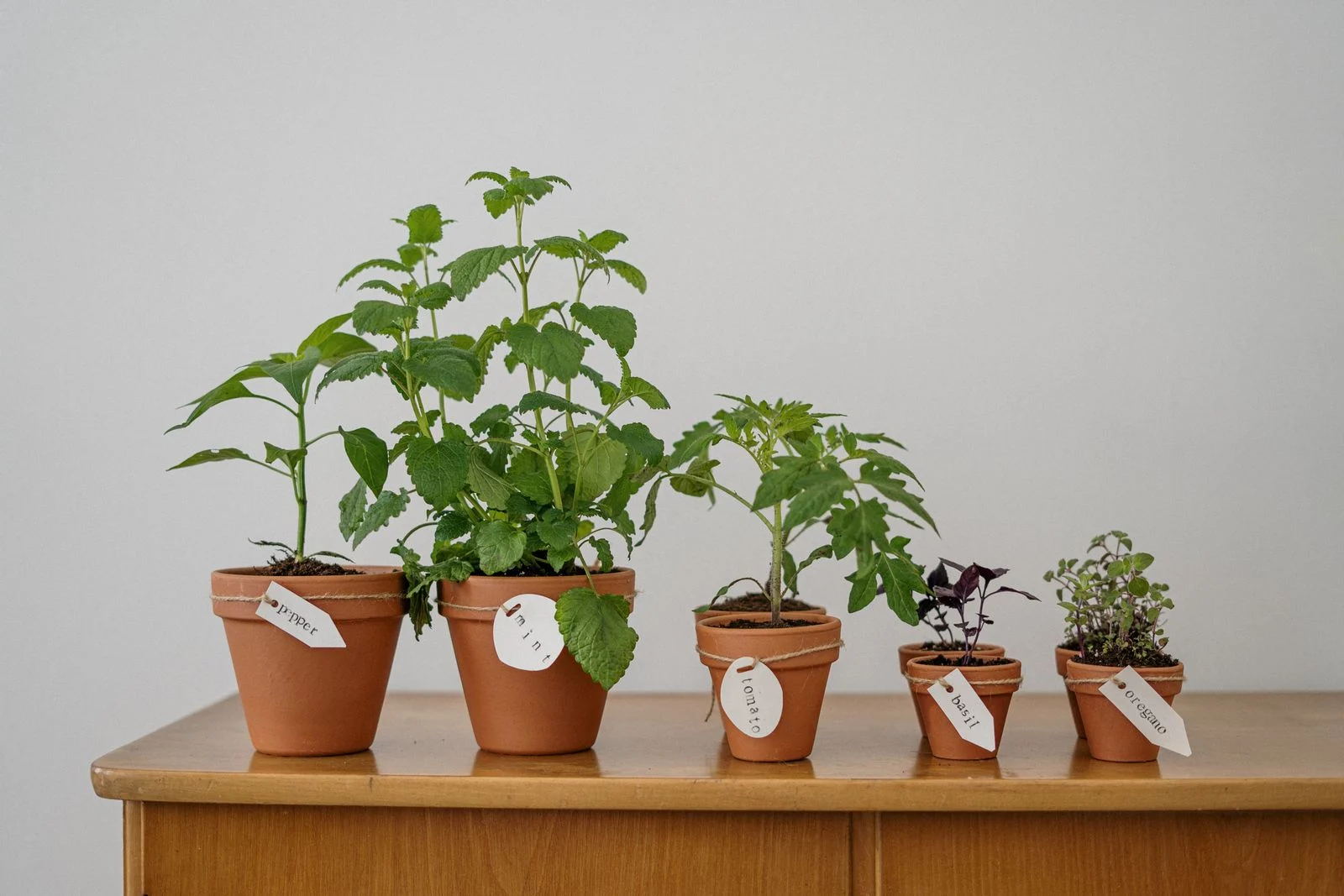
- Possible with larger containers: peppers and tomatoes, though they need far more water and are harder.
- Poor fit: long-season crops that outlast one tank of solution unless you manage it.
What You Need
- An opaque, food-safe container with a lid (a bucket, tub or painted jar).
- Net pots that fit holes cut in the lid.
- Rockwool cubes, coco coir or clay pebbles.
- Hydroponic nutrients and a pH test kit.
- Lettuce or herb seedlings.
Step-by-Step Setup
- Cut holes in the lid to fit your net pots, leaving space between plants.
- Germinate seeds in moist rockwool until they have sprouted.
- Mix nutrient solution following the manufacturer’s label and adjust pH to about 5.5 to 6.5.
- Fill the container so the solution just touches the bottom of the net pot.
- Place seedlings in the net pots, put the lid on, and set the container in bright light.
- Leave it alone. Do not top up the tank, or you will drown the air-exposed roots.
Tips for Success
- Keep the container opaque to prevent algae.
- Cover any gaps so mosquitoes cannot breed in the water.
- Use a bright window or a grow light, because light is usually the limiting factor.
- Keep water cool, ideally below about 75°F (24°C).
Pros and Cons
| Pros | Cons |
|---|---|
| Very low cost | Less control over nutrient strength |
| No power or noise | Not ideal for long crops |
| Almost no maintenance | Roots can suffer in warm water |
Numbers From Extension Research
- University of Florida guidance for non-circulating lettuce suggests about 1 to 1.5 gallons of nutrient solution per plant from seed to harvest.
- The same guidance targets a pH of 5.5 to 6 and an EC of about 1.25 mS/cm (roughly 800 ppm TDS), and notes that buckets suit lettuce better than flowering and fruiting crops.
- Dr. Kratky’s research describes growth continuing until less than 10 percent of the original nutrient solution remains, which is why the method suits short crops.
Sources
Figures and advice in this guide were checked against these university extension and government publications. Last reviewed November 5, 2026.
- Three Non-Circulating Hydroponic Methods for Growing Lettuce (B.A. Kratky, 2009), University of Hawaii CTAHR
- A Suspended Pot, Non-Circulating Hydroponic Method (B.A. Kratky, 2004), University of Hawaii CTAHR
- Set it & Forget it Hydroponic Lettuce, UF/IFAS Extension, University of Florida
Frequently Asked Questions
What is the Kratky method in hydroponics?
It is a passive hydroponic technique where plants sit in a container of nutrient solution that is never topped up or circulated. Roots drink from the solution and breathe from a growing air gap above it. It is the lowest effort hydroponic method.
What is the best container for the Kratky method?
Use an opaque, food-safe container with a lid that holds a net pot. Dark walls block light and slow algae. Wrapped mason jars or lidded tubs both work well for small leafy plants. Never use clear glass without a cover.
How much water do you put in a Kratky jar?
Fill the solution so it just touches the bottom of the net pot at the start. As the plant drinks, the level falls and creates an air gap that gives the upper roots oxygen. Measure once, then leave it alone.
Why doesn’t the Kratky method work for long-season crops?
Large plants drink all the solution before they finish fruiting, and a sealed jar cannot be refilled without disturbing the air gap. Short crops such as lettuce, herbs and pak choi suit this method best. Larger tubs can stretch this limit slightly.
Related Guides
Featured image: Hydroponics Lettuce.jpg by MarvinBikolano, CC BY-SA 4.0, via Wikimedia Commons.